
2026 Annual Meeting Speakers

Morning Speakers
 |
|
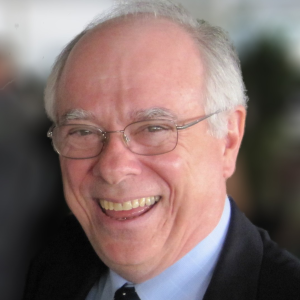
Roy J. Carver Biomedical Research Chair in Molecular Physiology and Biophysics; Director, Senator Paul D. Wellstone Muscular Dystrophy Specialized Research Center | University of IowaKevin Campbell, PhD, is Professor and Chair of the Department of Molecular Physiology and Biophysics at the University of Iowa Carver College of Medicine and a recognized leader in the field of muscle biology and neuromuscular disease. For more than 40 years, Dr. Campbell has led pioneering research to define the molecular and cellular mechanisms underlying muscular dystrophies. His laboratory employs a highly integrative approach—combining biochemistry, cell biology, genetics, structural biology, and physiology—to elucidate disease mechanisms and translate these discoveries into therapeutic strategies. As Director of the University of Iowa Wellstone Muscular Dystrophy Specialized Research Center for more than two decades, Dr. Campbell has built and led a highly collaborative, multidisciplinary research program that bridges basic science and clinical research to improve the diagnosis and treatment of patients with muscular dystrophies. |
 |
|
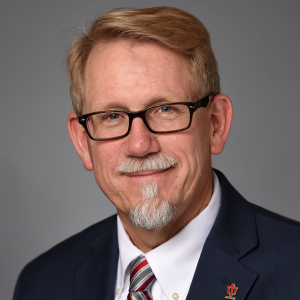
Executive Associate Dean for Educational Affairs, Dolores and John Read Senior Professorship in Medical Education, Professor of Clinical Internal Medicine and Infectious Disease | Indiana University School of MedicineBradley Allen serves as the Executive Associate Dean for Educational Affairs, the Dolores and John Read Professor of Medical Education and a Professor of Clinical Medicine and Infectious Diseases. He joined IU School of Medicine faculty in 2000 and practices Infectious Diseases and HIV care at the Roudebush VA Medical Center. He is a native Iowan, farm-boy, and is first-generation—graduating from the University of Iowa with an MD/PhD in microbiology and later a fellowship in Infectious Diseases. He completed residency in Internal Medicine at Baylor College of Medicine in Houston. His research has focused on medical education innovation in recent years and currently serves as PI on the INdiana Primary care Advancement in Clinical Training (INPACT) federal grant from HRSA. This project aims to improve primary care training for underserved communities and vulnerable populations, expand recruitment of trainees and grow clinical training opportunities in underserved communities around Indiana, and build our IU School of Medicine student success programs. Dr. Allen is an avid bicyclist, Habitat for Humanity volunteer, an uber-proud grandfather, and enjoys traveling with his wife Anne. |
 |
|
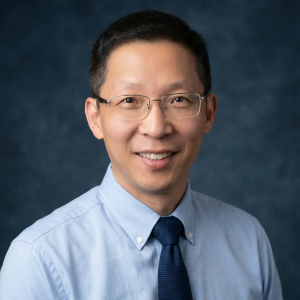
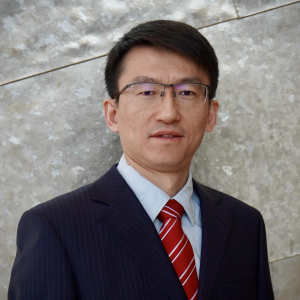
Professor of Pediatrics, Medical & Molecular Genetics, and Biochemistry, Molecular Biology & Pharmacology | Indiana University School of MedicineRenzhi Han, PhD, is a Professor of Pediatrics and Adjunct Professor of Medical and Molecular Genetics, as well as Biochemistry, Molecular Biology & Pharmacology at the Wells Center for Pediatric Research. He earned his PhD from the University of Western Australia and completed postdoctoral training with Dr. Kevin Campbell at the Howard Hughes Medical Institute. Dr. Han’s NIH-funded research program focuses on developing genetic therapies and genome-editing strategies for Duchenne muscular dystrophy and cardiovascular diseases. His team recently pioneered a novel full-length dystrophin gene therapy approach. Dr. Han also serves as a Section Editor for Molecular Therapy. |
 |
Associate Professor of Pediatrics | Indiana University School of MedicineDr. Zhang joined the IU School of Medicine in 2017 as an Assistant Professor and was promoted/tenured in 2024. Dr. Zhang’s lab applied biochemical, cellular/molecular approaches and animal models to understand chemoresistance in pediatric leukemia for therapeutic intervention. A focus of the lab is to understand asparagine biosynthesis and to develop therapeutics that target this process to enhance the efficacy of L-asparaginase in treating acute lymphoblastic leukemia (ALL). Dr. Zhang received several nationwide career development awards, including the Emerging Scientist Award from Children’s Cancer Research Fund, Scholar Award from St. Baldrick’s Foundation, and Scholar Award for Junior Faculty from American Society of Hematology.
|
 |
Zerbe Professor of Pharmocoeconomics, Professor of Medicine, Medical & Molecular Genetics and Biochemistry, Molecular Biology, & Pharmacology; Director; Co-Leader, Cancer Prevention and Control | Indiana University School of Medicine; Indiana Institute for Personalized Medicine; IU Simon Comprehensive Cancer CenterTodd Skaar, PhD, is a Professor of Medicine, Medical & Molecular Genetics, and Pharmacology & Toxicology in the Division of Clinical Pharmacology at the Indiana University School of Medicine, is a co-leader of the IU Cancer Prevention & Control Program, and the Director of the Indiana Institute for Personalized Medicine. His research is focused on identifying and functionally testing genetic variants in the drug metabolism genes that are associated with clinical drug efficacy and toxicity. He leads multiple pharmacogenomics implementation studies focused on identifying and overcoming the barriers to using genomic medicine. His work has been published in over 200 peer-reviewed articles. |
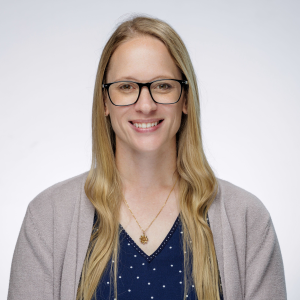 |
Assistant Professor, Department of Biological Sciences | University of Notre DameDana is an assistant professor at the University of Notre Dame. After earning a BS in Biochemistry at the University of Missouri, she completed a PhD in Human Genetics at the University of Utah under Dr. David Grunwald, a founding member of the zebrafish community. As a graduate student, she studied embryonic patterning and pioneered genetic tools in zebrafish. During her postdoctoral training with Dr. Mayssa Mokalled at Washington University in St. Louis, she characterized regenerative astroglia and immune cells necessary for spinal cord regeneration in adult zebrafish. Her lab currently investigates neuroimmune interactions driving innate spinal cord repair. |
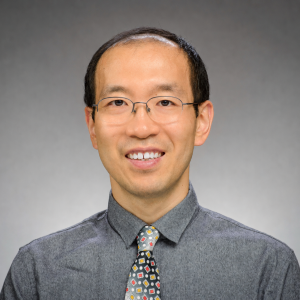 |
John M. and Mary Jo Boler Collegiate Professor, Department of Biological Sciences | University of Notre DameXin Lu’s laboratory at the University of Notre Dame is focused on identifying cancer cell intrinsic and extrinsic mechanisms of tumor immune evasion, particularly in advanced genitourinary malignancies (prostate cancer, familial and sporadic kidney cancers, penile cancer), breast cancer and pancreatic cancer. His research results reveal a number of targetable mechanisms on how the oncogenic signaling in neoplastic cells exerts the cell non-autonomous functions to control the cancer-immune interactome in solid tumors. The laboratory is interested in developing chemical or biologic agents and dietary interventions as emerging cancer therapies. Their research approach integrates genetically engineering mouse models, functional genomics, experimental therapeutics, and cutting-edge experimental and computational methodologies. |
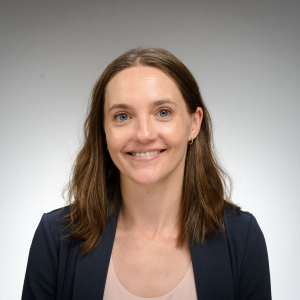 |
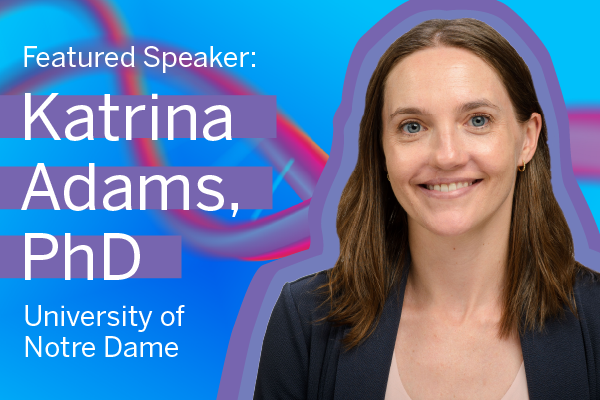
Gallagher Assistant Professor, Department of Biological Sciences | University of Notre DameDr. Adams received her PhD in molecular biology from UCLA, where she studied motor neuron development and stem cell biology. She then performed postdoctoral research at Children’s National Hospital in Washington DC, investigating signaling pathways that regulate glia during postnatal brain development. She joined the University of Notre Dame as an Assistant Professor in January 2023, where her lab studies mechanisms of brain development and regeneration, with a focus on demyelinating diseases. |
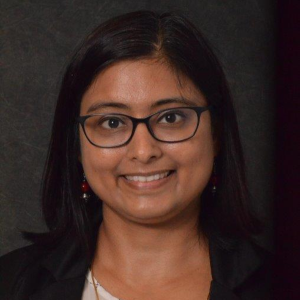 |
Assistant Professor, School of Health Sciences | Purdue UniversityDr. Priyanka Baloni is an Assistant Professor in the School of Health Sciences and an affiliated member of the Purdue Institute for Integrative Neuroscience at Purdue University. Dr. Baloni has led computational efforts in several large, coordinated projects involving diverse research teams and managing heterogeneous experimental data types in the field of biomedical health sciences. Her expertise spans a wide spectrum of systems biology approaches and multi-omics analyses, including genomics, transcriptomics, metabolomics, and proteomics that lead to biomarker discovery. Dr. Baloni’s groundbreaking work has resulted in the generation of human brain region-specific metabolic networks, offering invaluable insights into the impact of metabolic alterations in Alzheimer’s disease (AD). She is actively associated with the NIH Accelerating Medicines Partnership—Alzheimer’s Disease (AMP-AD) program, and her research has led to the identification of potential therapeutic targets in AD. Her work on studying altered bile acids and sphingolipid metabolism in AD has led to drug repositioning. Beyond neurodegenerative diseases, Dr. Baloni’s contributions extend to diverse fields, including cancer, SARS-CoV2 infection, aging interventions, and pregnancy complications. Dr. Baloni has received extramural funds from National Institute of Health (NIH). Her research has resulted in several peer-reviewed publications from each project and has received national and international recognition through invited talks at various conferences and symposia. Her group’s research focus is on developing cutting-edge computational approaches to analyze multi-omics data and integrating them with models to identify biomarkers in neurodegenerative diseases and other health-related outcomes. |
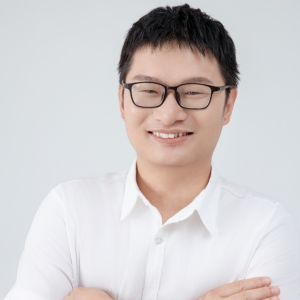 |
Showalter Faculty Scholar, Associate Professor of Chemical Engineering | Purdue UniversityDr. Bao is Showalter Faculty Scholar and Associate Professor of Chemical Engineering at Purdue University. His research program focuses on stem cell bioengineering, immunoengineering, and genome editing, with the goal of developing innovative cell and gene therapies for currently incurable diseases including cancers and neurological disorders. Dr. Bao earned his BS degree from Tsinghua University in 2011 and his PhD from University of Wisconsin-Madison in 2016. He subsequently completed postdoctoral training as an American Heart Association (AHA) Postdoc Fellow at UC-Berkeley from 2016-2018. Dr. Bao has received numerous honors, including American Cancer Society Reserach Scholar Award, NSF CAREER Award, NIH Stephen Katz Early Stage Investigator Research Project Award, etc. |
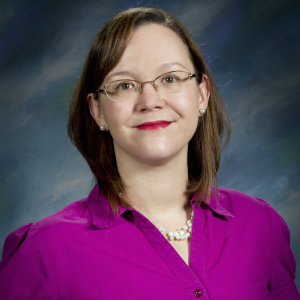 |
Dean’s Fellow for Graduate Programs, Professor, Basic Medical Sciences | Purdue UniversityMarxa Figuerdo is a Professor in the Department of Basic Medical Sciences at the Purdue University College of Veterinary Medicine. Her research program focuses on the intersection of osteoimmunology and cancer, specifically developing novel, targeted gene therapies to treat bone metastatic prostate cancer. By engineering cytokine, peptide, and nanobody-based platforms, her laboratory aims to rebalance the tumor-bone microenvironment to inhibit disease progression and enhance anti-tumor immunity. Her work bridges the gap between fundamental molecular discoveries and translational clinical applications, with a long-term goal of improving survival outcomes for patients affected by metastatic bone disease. |
 |
Assistant Professor, Department of Nutrition Science | Purdue UniversityDr. Wolf completed her PhD in Nutritional Sciences at the University of Illinois at Urbana-Champaign. During her graduate training, she simultaneously completed the Didactic Program in Dietetics and became a Registered Dietitian. She then was a postdoctoral fellow in the Cancer Education and Career Development Program NCI T32 at the University of Illinois at Chicago. Dr. Wolf’s research investigates the interplay between socioenvironmental barriers, microbial sulfur metabolism, and colorectal cancer disparities. In her projects, Dr. Wolf explores potential key contributors to sulfur in the lumen including ultra-processed foods, taurine conjugated bile acids, and sulfate exposure in rural water. Her long-term goal is to enhance our power to predict microbial metabolic responses to modifiable exposures to develop targeted strategies to prevent colorectal cancer. |
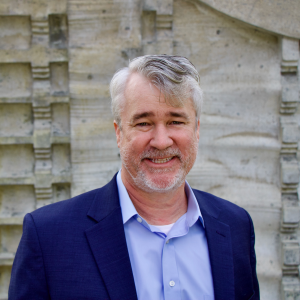 |
Dean of the College of Health and Human Sciences, Professor, School of Health Sciences | Purdue UniversityAaron Bowman began his academic career in 2006 as an assistant professor of Neurology and Pediatrics at Vanderbilt University Medical Center, where he earned tenure and directed the T32 Training Program in Environmental Toxicology. In 2018, he joined Purdue University as professor and head of the School of Health Sciences, leading enrollment growth and expanding the honors program. He now serves as dean of the College of Health and Human Sciences. Bowman earned a bachelor’s degree in microbiology from Brigham Young University and a PhD in biomedical sciences from the University of California, San Diego, followed by postdoctoral fellowships at Princeton University and Baylor College of Medicine. His research investigates how environmental and genetic risk factors interact to influence neuronal dysfunction and disease, with a focus on chronic and persistent neurotoxicology. He is the president of the International Neurotoxicology Association and serves as chair for the US Department of Labor’s Advisory Board on Toxic Substances and Worker Health. |
 |
Professor, College of Pharmacy; Adjunct Professor, Division of Clinical Pharmacology; Program Director, Clinical Investigation and Translational Education | Purdue University; Indiana University School of Medicine; Indiana Clinical and Translational Sciences InstituteBrian R. Overholser, PharmD, FCCP, contributes to the MPRINT Modeling and Simulation Program and Pharmacometrics and Clinical Trial Design Core. His translational research combines cellular, animal, and in silico models to define variability in drug disposition and response that is translatable to clinical practice. He has published more than 75 original articles and book chapters, with support form the NIH, Lilly Endowment, Showalter Trust, AACP, and American Heart Association. |
Afternoon Speakers
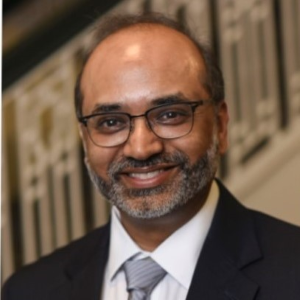 |
David H. Jacobs Professor of Infectious Diseases; Professor of Medicine; Director, IU Infectious Diseases Research; Director, Division of Infectious Diseases | Indiana University Infectious Diseases Research, Indiana University School of MedicineSamir Gupta, MD is the David H. Jacobs Professor of Medicine and Director of the Division of Infectious Diseases at the Indiana University School of Medicine. He received his medical degree from the University of Pittsburgh and subsequently completed his internal medicine residency and infectious diseases fellowship at Indiana University (Indianapolis). Dr. Gupta is funded by the National Institutes of Health to research the effects of HIV and its therapies on mental health and cardiometabolic diseases. He is also an active mentor to early career investigators and serves as the PI of the NIH-funded Indiana CTSI K12 program. |
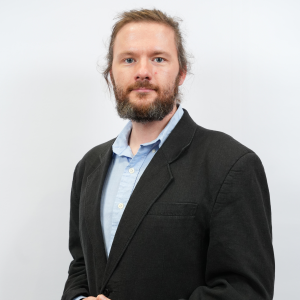 |
Assistant Research Professor of Pediatrics | Indiana University School of MedicineDr. Radek Kaczmarek is an Assistant Research Professor of Pediatrics at Wells Center for Pediatric Research, Indiana University School of Medicine. His research interests include immune responses to gene and protein replacement therapies for hemophilia A and B. He has been involved in basic, translational and clinical research on novel therapies for hemophilia and he has focused on studying the immunogenicity of factor VIII and adeno-associated virus (AAV)-mediated gene therapy for hemophilia A. His work has been honored with several awards and presented at American Society of Hematology annual meetings, International Society for Thrombosis and Haemostasis and other key international conferences. |
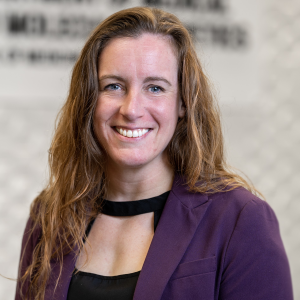 |
Associate Professor of Clinical Medical & Molecular Genetics and Pediatrics, Associate Residency Program Director of the Medical Genetics Residency | Indiana University School of MedicineErin Conboy studied biology at Grinnell College in Iowa, then medical school in Hershey, Pennsylvania and finally finished her training at Mayo Clinic in Rochester, Minnesota. Erin is a clinical geneticist and biochemical geneticist and has a broad background in genetics, metabolism and specifically the diagnosis and discovery of rare disease. She is currently an assistant professor, co-director of the Undiagnosed Rare Disease Clinic (URDC) and associate program director of the Medical Genetics Residency and combined Pediatric/Medical Genetics residency at Indiana University School of Medicine and Indiana University Health. Additionally, she has helped to establish an Ocular Genetics multidisciplinary Clinic and Immunogenetics Clinic. She has two sons and enjoys practicing Brazilian Jiu-jitsu. |
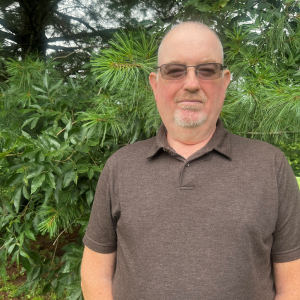 |
Research ParticipantTerry Kitterman is from a small town, Birdseye, Indiana. He was diagnosed with Hypokalemic Periodic Paralysis when he was 8 years old. Life with this condition has been hard, but with God’s grace this disease has made him the person he is today. He could not have survived through the years without his Lord and Savior. He is honored to be here for the CTSI Annual Meeting. |
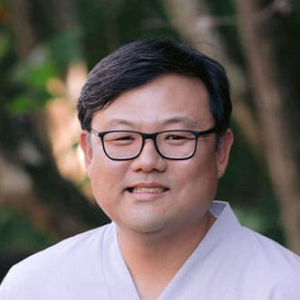 |
Assistant Professor, Medical & Molecular Genetics; Director of Genetics | Indiana University School of Medicine; Indiana BiobankTai-Hwi Linus Schwantes-An, PhD, is Director of Genetics at the Indiana Biobank and faculty in the Department of Medical and Molecular Genetics at Indiana University School of Medicine. He oversees biobank genetics initiatives that enable large-scale genomic research and support translation into clinical practice. His work as a genetic epidemiologist focuses on cardiometabolic diseases, including metabolic dysfunction-associated steatotic liver diseases, alcohol-related liver diseases, and pulmonary arterial hypertension. Through biobank-driven studies, Dr. Schwantes-An integrates innovative genomic approaches to uncover genetic factors that inform precision medicine. His research has contributed to several publications advancing understanding of complex traits and improving strategies for personalized care. |
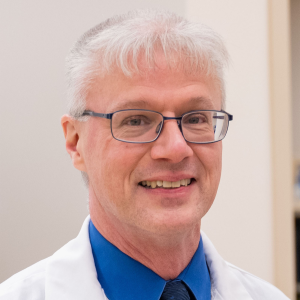 |
Riley Children’s Foundation Professor of Immunology, Professor of Pediatrics and Microbiology & Immunology, Director, Gene and Cell Therapy Program | Indiana University School of MedicineRoland W. Herzog, PhD, has been serving as Riley Children’s Foundation Professor of Immunology and Director of the Gene and Cell Therapy Program at the Herman B Wells Center for Pediatric Research at Indiana University since 2018. Further, he served as editor-in-chief of Molecular Therapy – Methods and Clinical Development (2015-2020) and Molecular Therapy (2020-2025). His research team studies immune system response mechanisms in gene therapy and develops AAV gene therapies and immunotherapies for treatment of genetic diseases such as hemophilia and muscular dystrophy. Thus far, Dr. Herzog has published over 280 scientific articles and three books. |
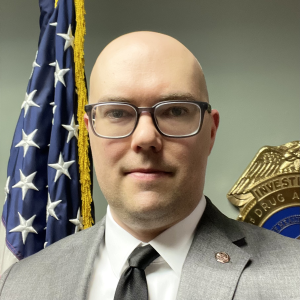 |
Chief, Gene Therapy Branch 1, Office of Therapeutic Products, Center for Biologics Evaluation and Research, US Food & Drug AdministrationDr. Andrew Harmon is Chief of Gene Therapy Branch 1 in FDA CBER’s Office of Therapeutic Products (OTP). He supervises a team of Chemistry, Manufacturing and Controls (CMC) reviewers who are responsible for regulatory review of INTERACT, pre-Investigational New Drug (pre-ND), IND, and Biologics License Application (BLA) submissions for gene therapy products. These advanced therapy modalities include viral vectors, lipid nanoparticles (LNPs) and genome editing technologies. Dr. Harmon received his PhD in molecular biology from the University of California, Los Angeles (UCLA) and came to the FDA in 2014 as a postdoctoral researcher studying immune responses to viral gene therapy vectors. He transitioned to regulatory review activities in 2017 and has been in leadership roles since 2022. He is also an active participant in intra-agency working groups, meetings, and conferences focused on advancing the development of cell and gene therapy products. |