Behind the scenes of Behind the Coat
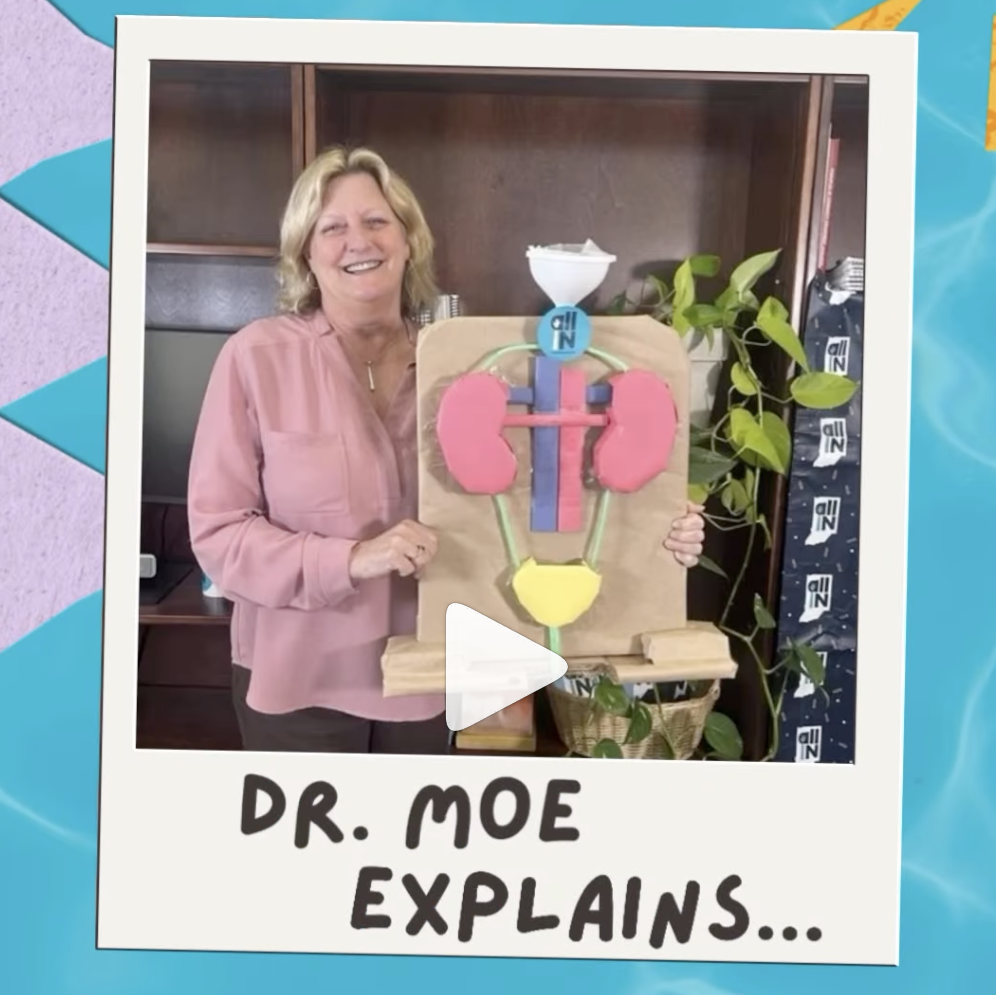
Behind the Coat is a video series produced by the creative team at All IN for Health, the Indiana CTSI’s research engagement organization. Several times a year, Behind the Coat gives Hoosiers the chance to learn about health topics directly from health researchers.
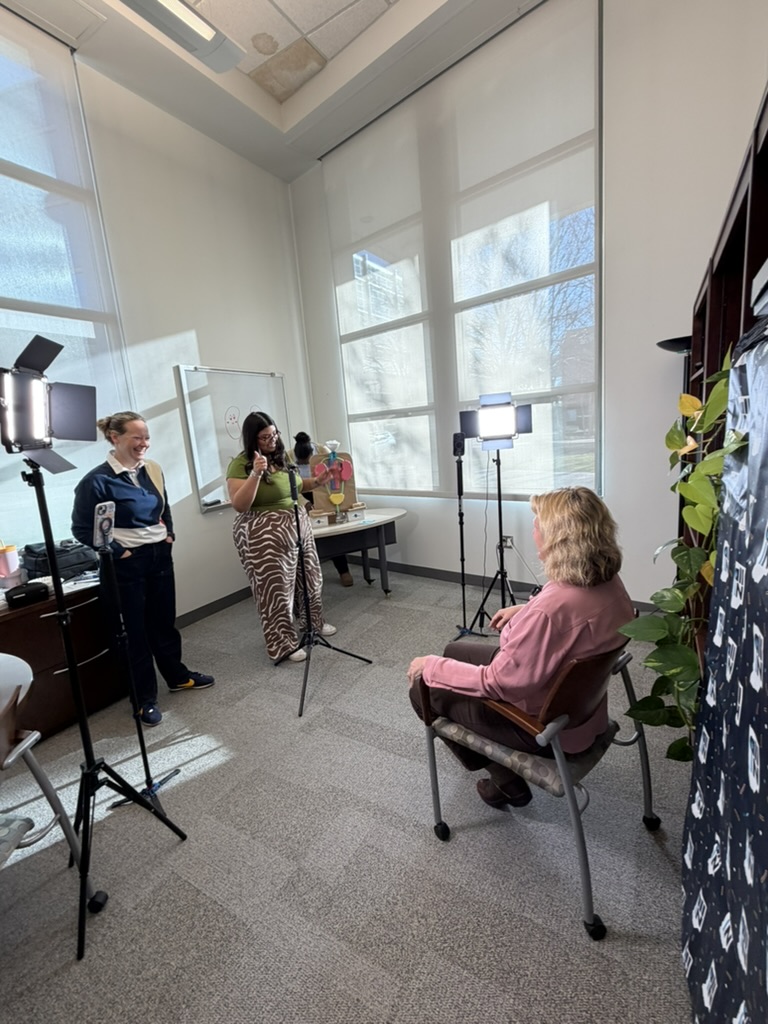
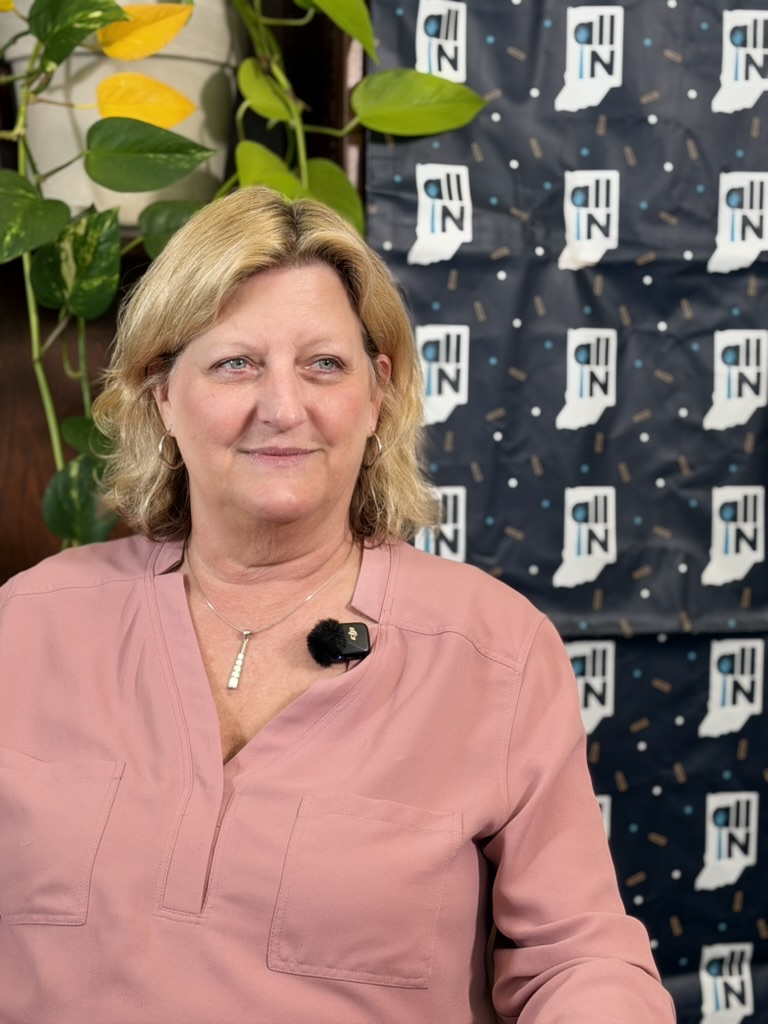
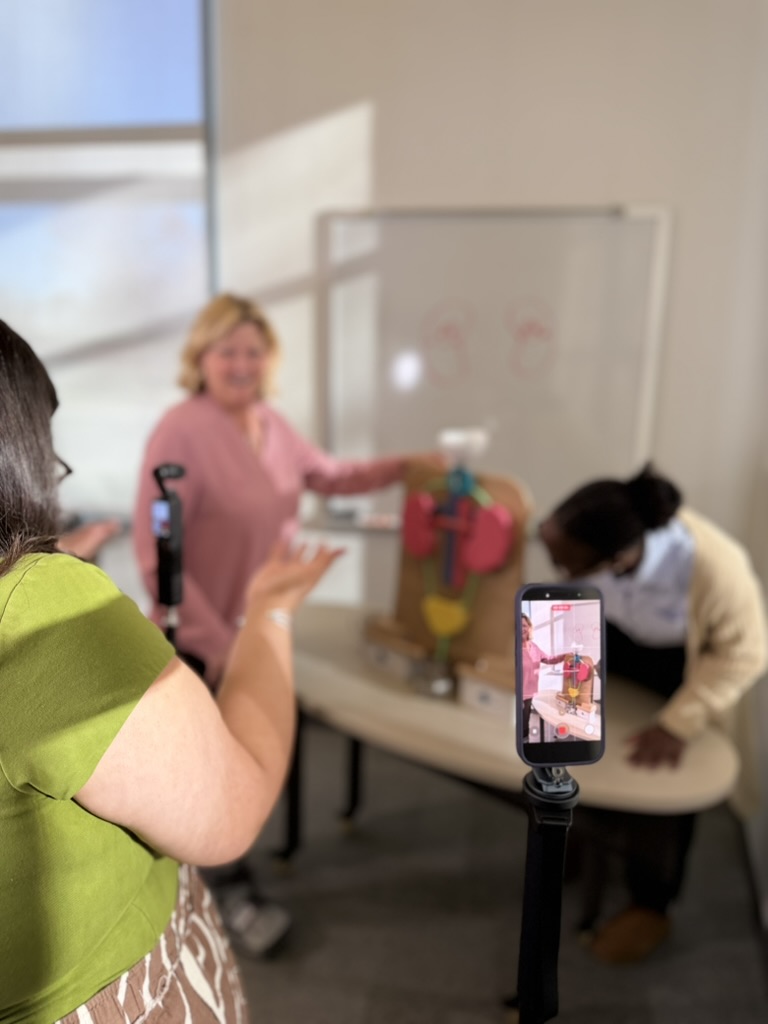
March was National Kidney Month. To celebrate, Behind the Coat featured nephrologist Sharon Moe, MD, who is also co-director of the Indiana CTSI. Moe ran through a quick game of “True or False?” with All IN team member Fatma Niang, and the two of them also used a fun model to demonstrate how kidneys filter urine in the body.
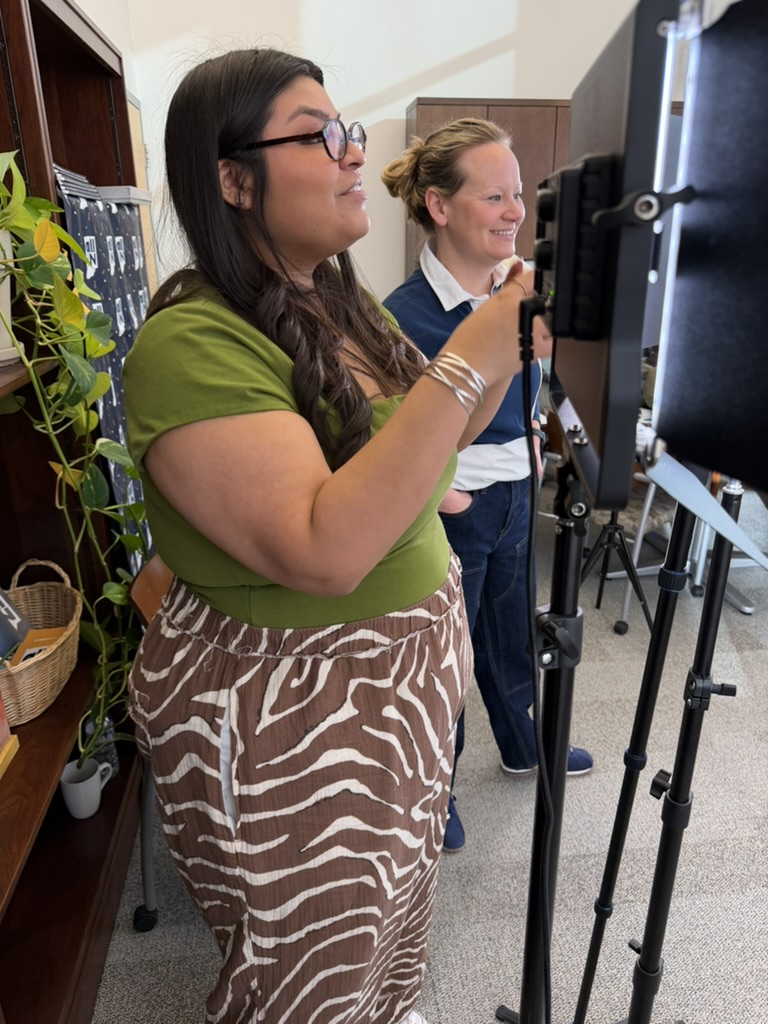
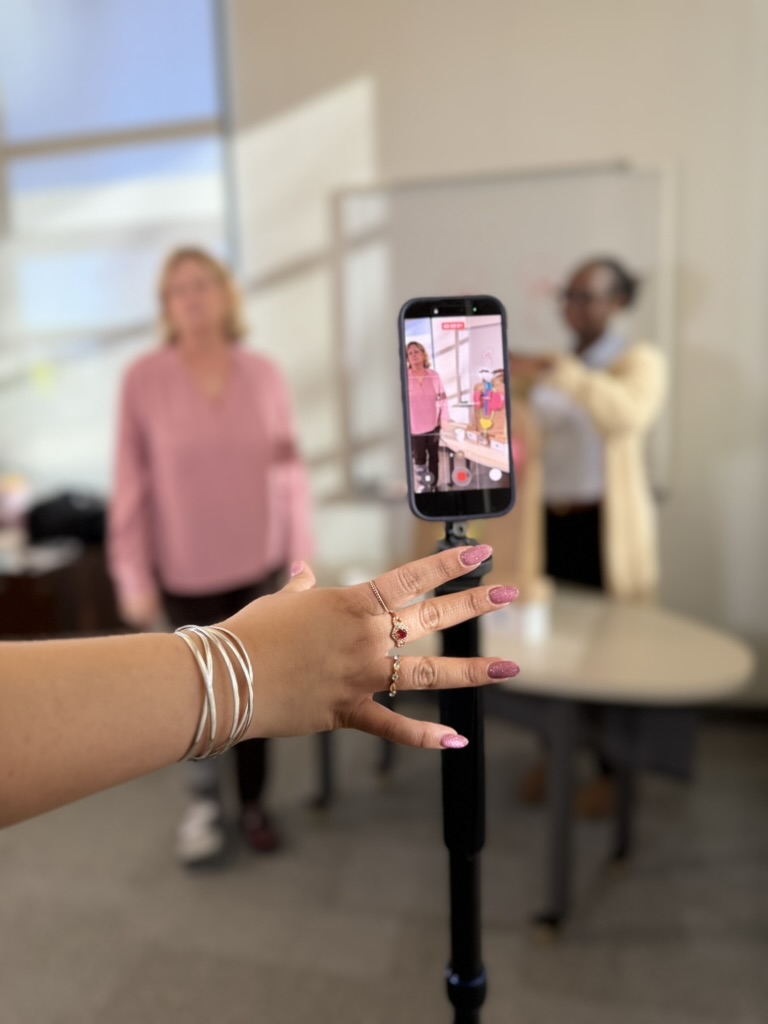
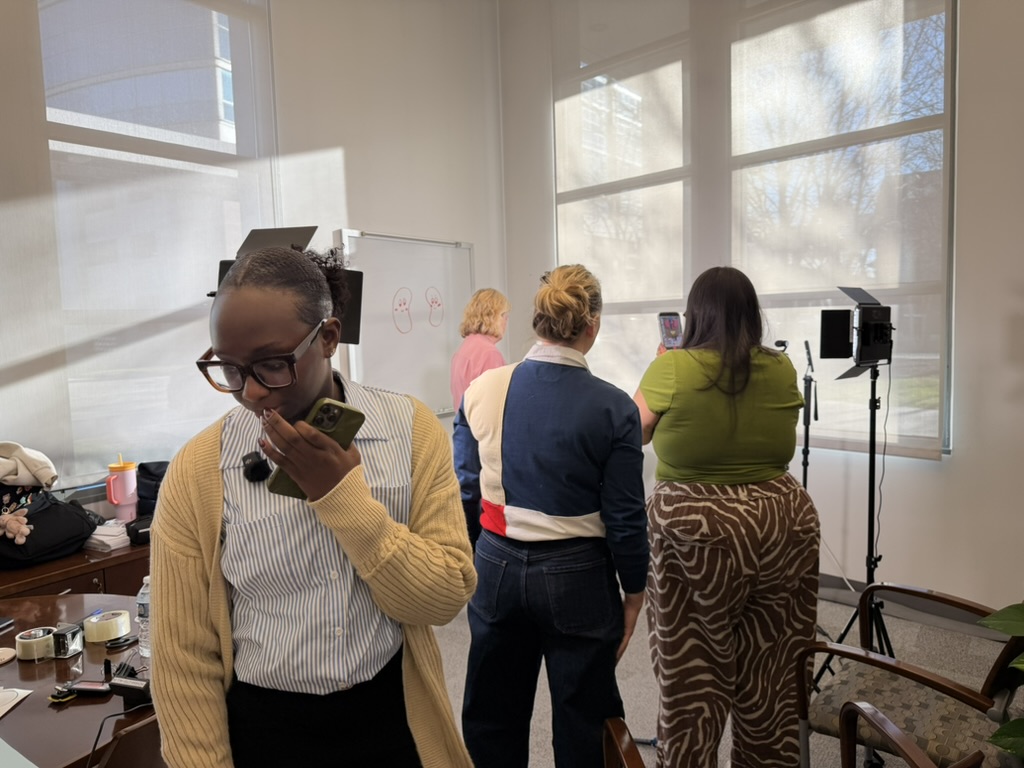
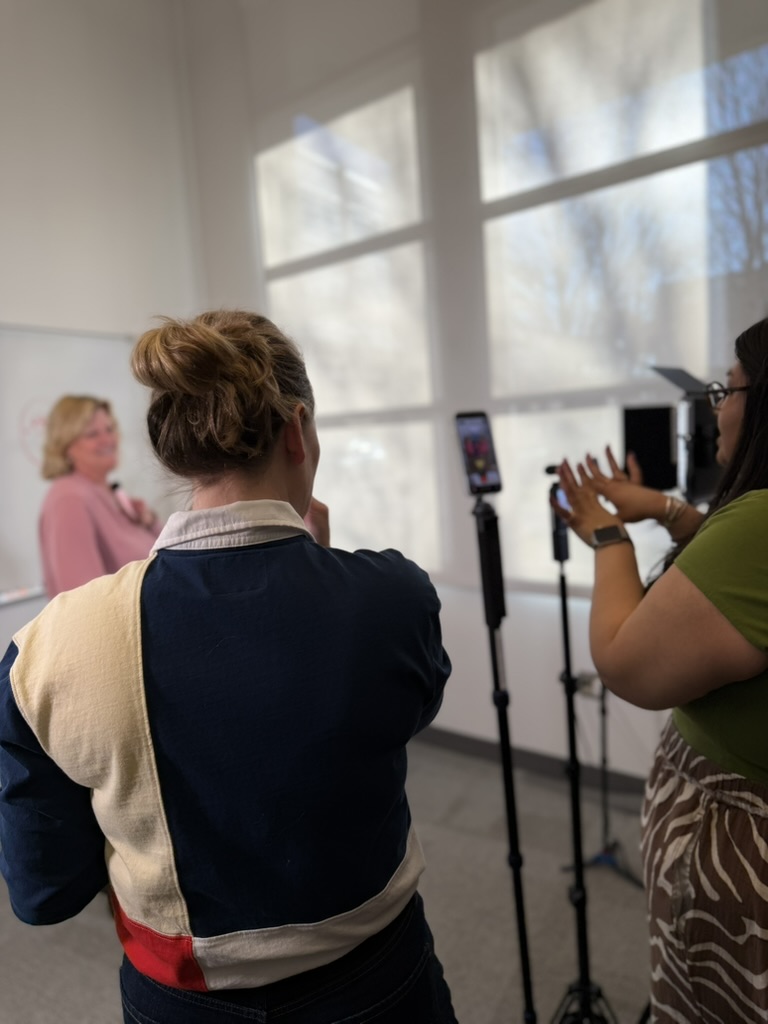
Niang hosts the conversations with the investigators in the videos. She also plays a key role in the creative development of the series. She schedules guests, writes interview questions, and collaborates on the overall creative vision. Communications specialist Bonnie Marcelo handles the technical side, setting up the lighting and cameras during shoots, editing the videos, and creating graphics.
“The best part of working on Behind the Coat is how energizing it is,” Niang said. “I’m always learning something new that I can carry into my own health and wellness journey.”
Behind the Coat grew out of a brainstorming session. The creative team wanted a way to get more people interested in health research, said creative director Lynsey Delp.
“From the outside, research can feel scary, confusing, or just plain intimidating, so we wanted to create a space that puts everyone on the same human level,” she said. “We figured that if people could get to know the humans behind the big PhD or MD titles—their stories, and why they chose the work they’re doing—then research might feel more approachable and more inclusive, like there’s room for everyone to have a voice in making change.”
For more engaging digital content from All IN, follow @beallIN4health on Instagram.
On set with the All IN for Health creative team