Community-engaged breast cancer research partners blaze a different trail
When you set out to blaze a trail, you begin with a destination in mind. You chart what seems like the best route and gather the right people and tools for the journey. Once you have embarked on the journey, however, the terrain may tell you something different. An obstacle can force a change in direction, and sometimes that change in direction reveals a completely different, perhaps even better, trail than the one you initially planned to blaze.
That is what happened recently in a pilot community-engaged research project funded by one of the Indiana CTSI’s Trailblazer Awards. The project was led through a partnership between Pink-4-Ever Ending Disparities and Indiana University researchers. Its aim was to test an innovative approach to addressing breast cancer prevention for Black women.
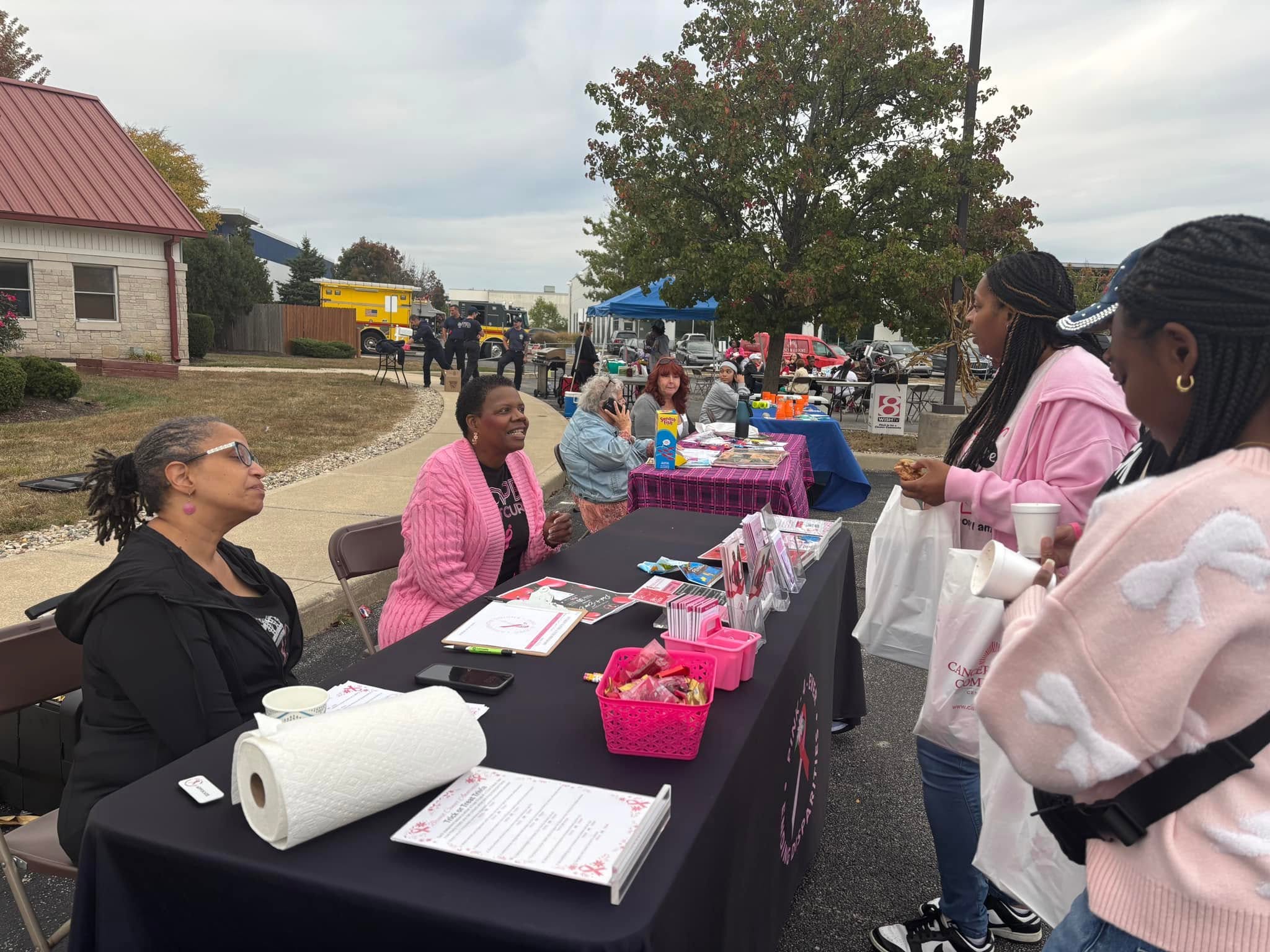
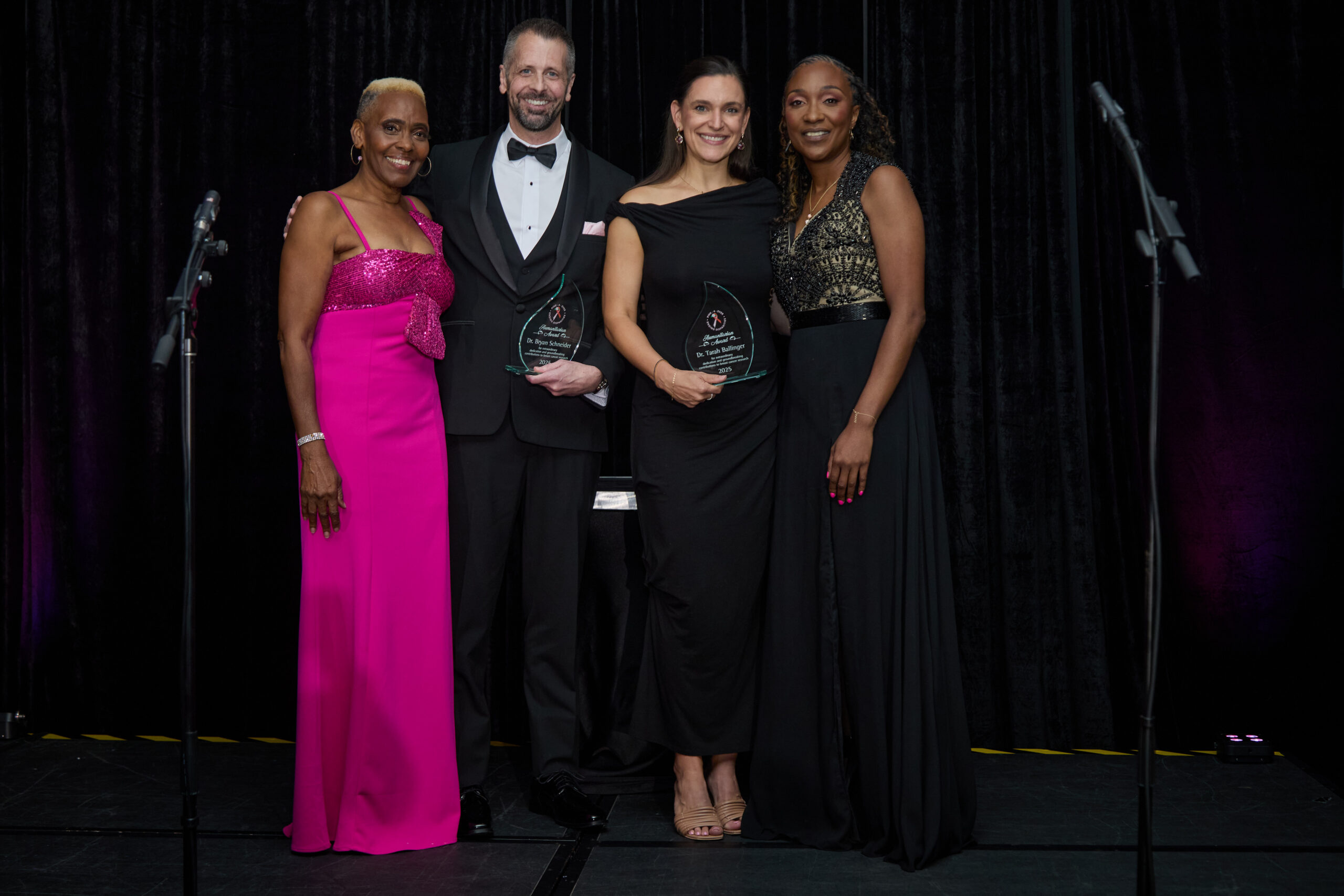
The research question itself grew from the community. At Pink-4-Ever’s annual Breast Health Summit, Tarah Ballinger, MD, met a young Black woman whose sister had breast cancer, but who had not considered what her sister’s diagnosis might mean for her own breast cancer risk. That encounter prompted Ballinger and Lisa Hayes, executive director of Pink-4-Ever, to explore how they could better reach younger Black women who may be at increased risk because of their family history.
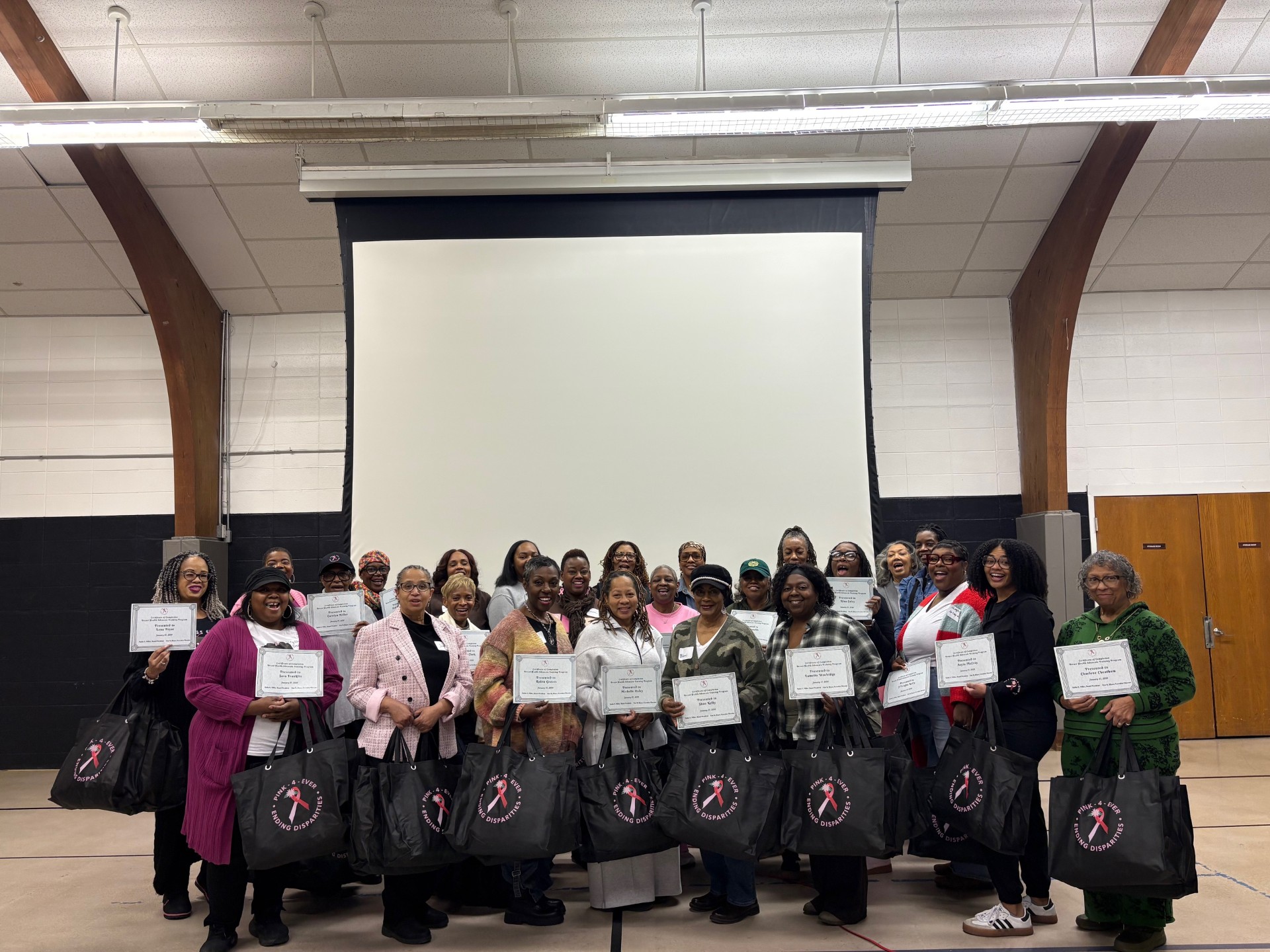
Together, the partners developed a study of cascade risk assessment. Black women who had been diagnosed with breast cancer would work with Pink-4-Ever Breast Health Advocates, who are trained community lay navigators, to encourage at-risk female relatives to connect with appropriate breast cancer screening and prevention services. The approach built on Pink-4-Ever’s experience helping women navigate breast health care and the clinical expertise and resources of IU Health’s breast cancer prevention program.
Once the team began walking the trail, however, they found unexpected obstacles in the path. Regulatory and training requirements delayed the project, and reaching participants by telephone was difficult. The team adapted by bringing Breast Health Advocates directly into the clinic to meet patients face-to-face. While this change did increase engagement, too few at-risk relatives enrolled, and the team determined that the original project plan was not feasible.
At the same time, something unexpected was happening: having Breast Health Advocates in the clinic was producing benefits beyond the original study. Advocates connected patients with supportive-care and community resources, and the partnership saw new possibilities for embedding trusted community advocates within clinical care.
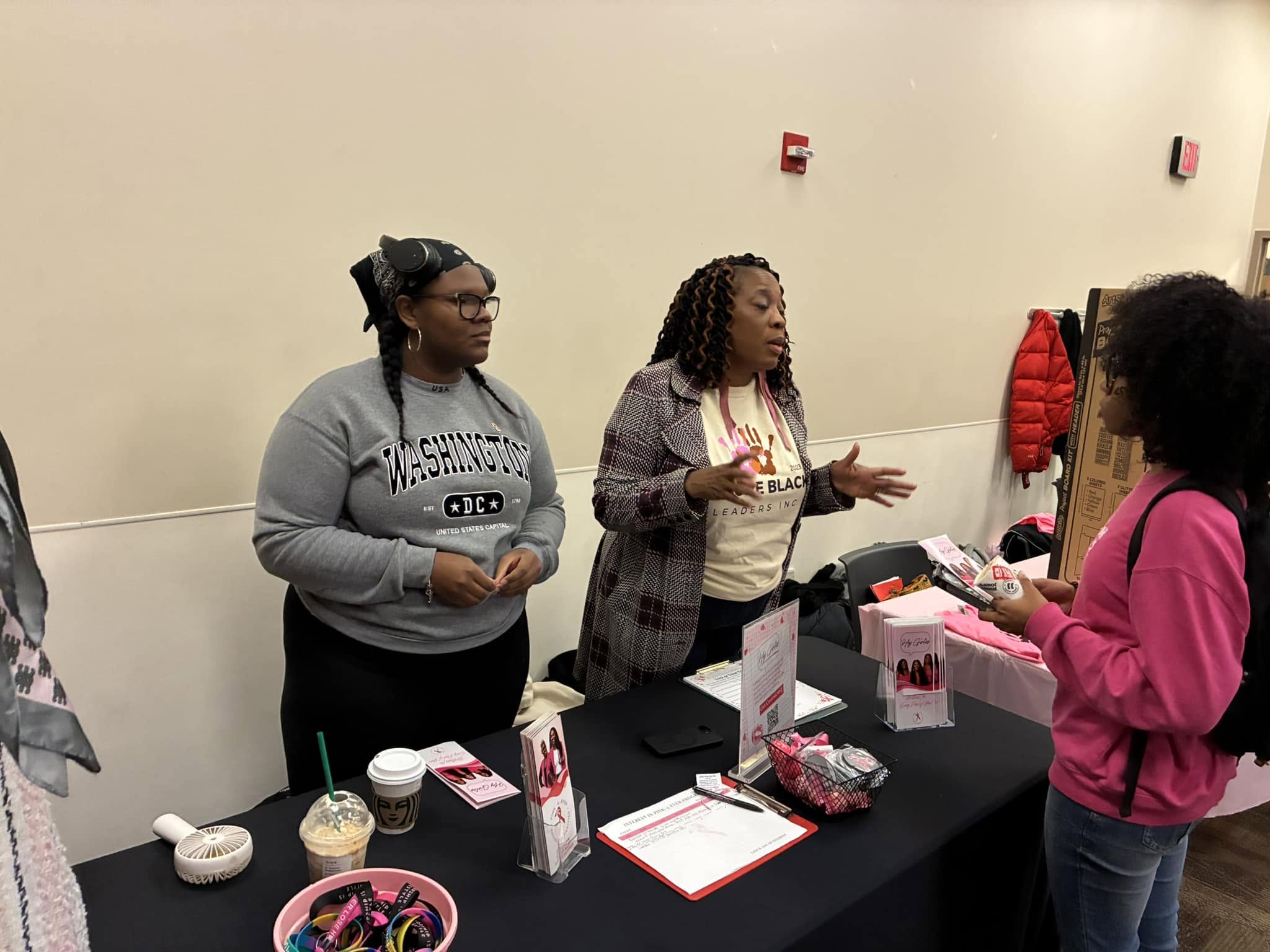
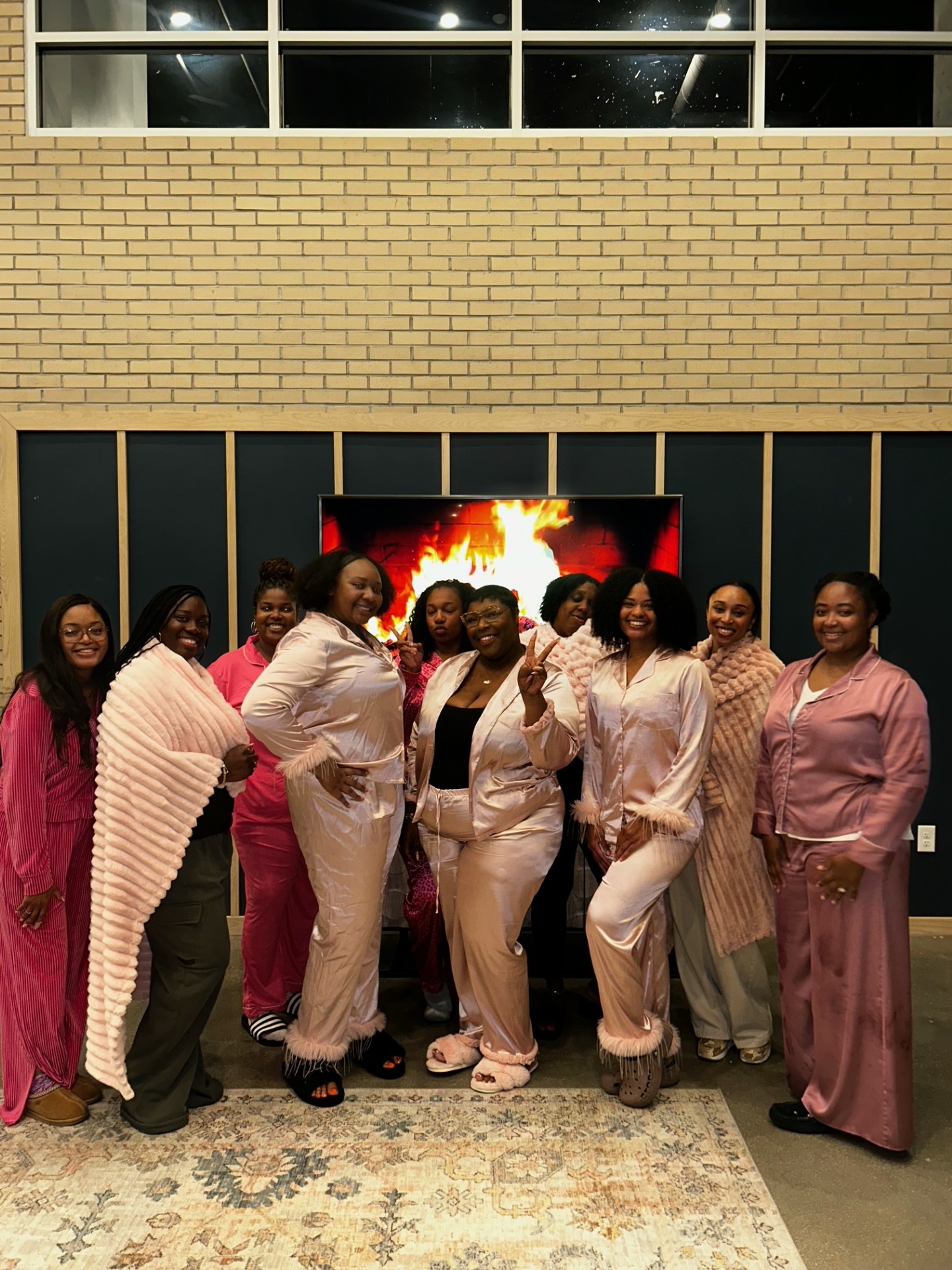
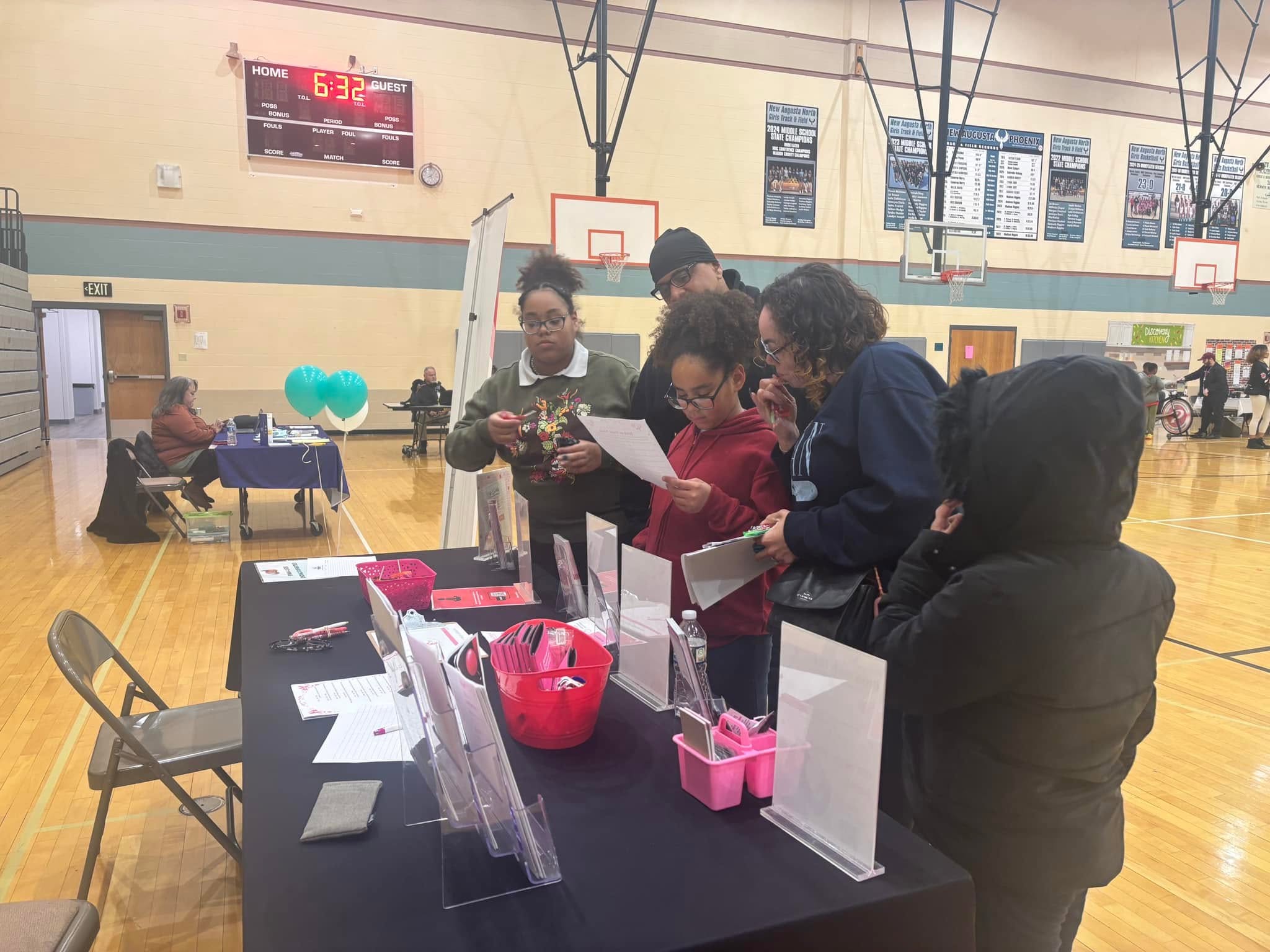
The impact also extended into the community. Pink-4-Ever’s increased focus on high-risk prevention led community members to connect with the high-risk prevention program outside the research study. Advocates’ experiences in the clinic also highlighted the needs of young Black women diagnosed with breast cancer and Black women living with metastatic disease. These observations helped lead to the development of Pink-4-Ever’s Hey Girlies program for women ages 18-35, and plans for an educational awareness project focused on metastatic breast cancer.
The pilot project did not blaze the trail its partners expected at the outset. Instead, it showed the value of being willing to adapt and change direction when the landscape provides new information—something that community-engaged research projects often need to do to address the needs of the community as teams learn about what those needs truly are. The original approach to reaching at-risk relatives did not go quite as planned, but the project strengthened the partnership, demonstrated the value of in-person community advocates in the clinical setting, and opened new paths for supporting Black women affected by breast cancer.
Sometimes the most important result of blazing a trail is discovering where the trail should go next.
Support for this work was provided through Indiana University internal funding mechanisms.