
Emerging Leader: Meenal Datta, PhD
Meenal Datta, PhD, the inaugural Jane Schoelch DeFlorio Collegiate Professor of Aerospace and Mechanical Engineering, and assistant professor of aerospace and mechanical engineering at the University of Notre Dame, is redefining how researchers and clinicians think about cancer.
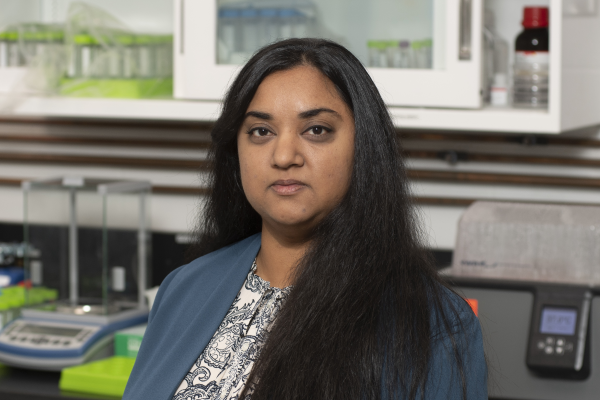
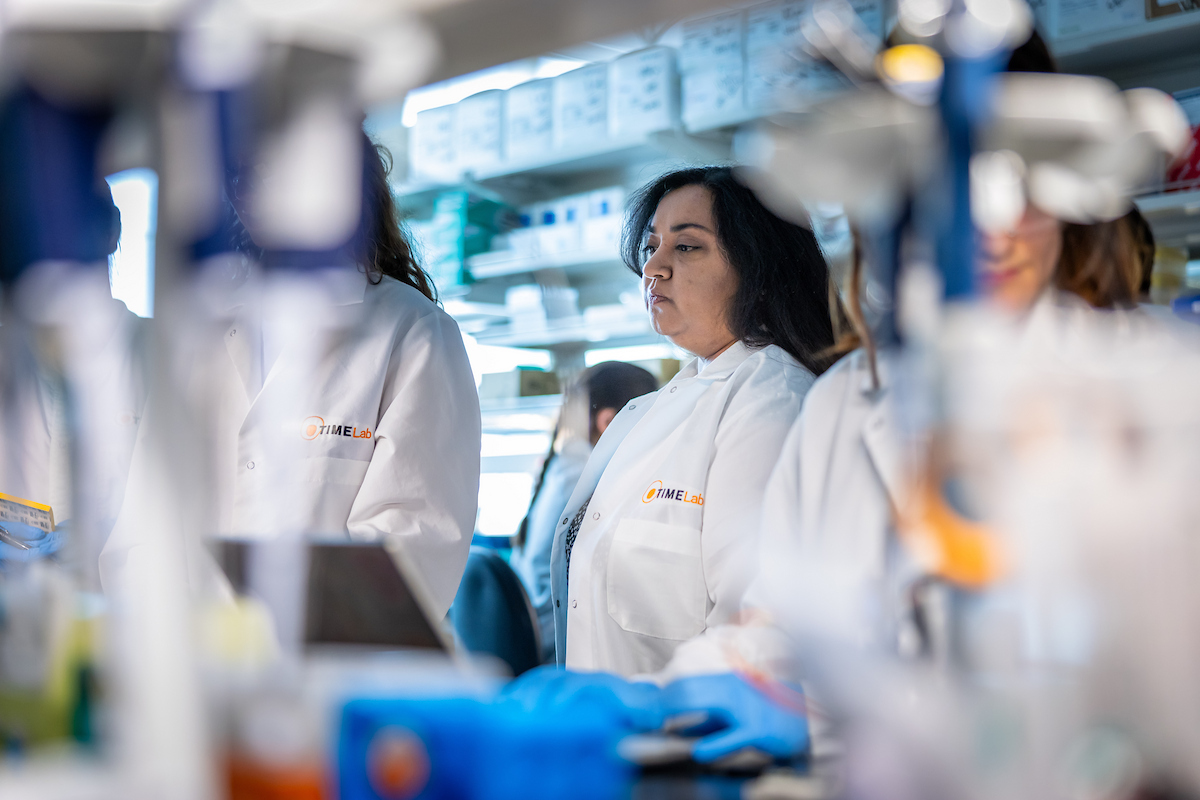
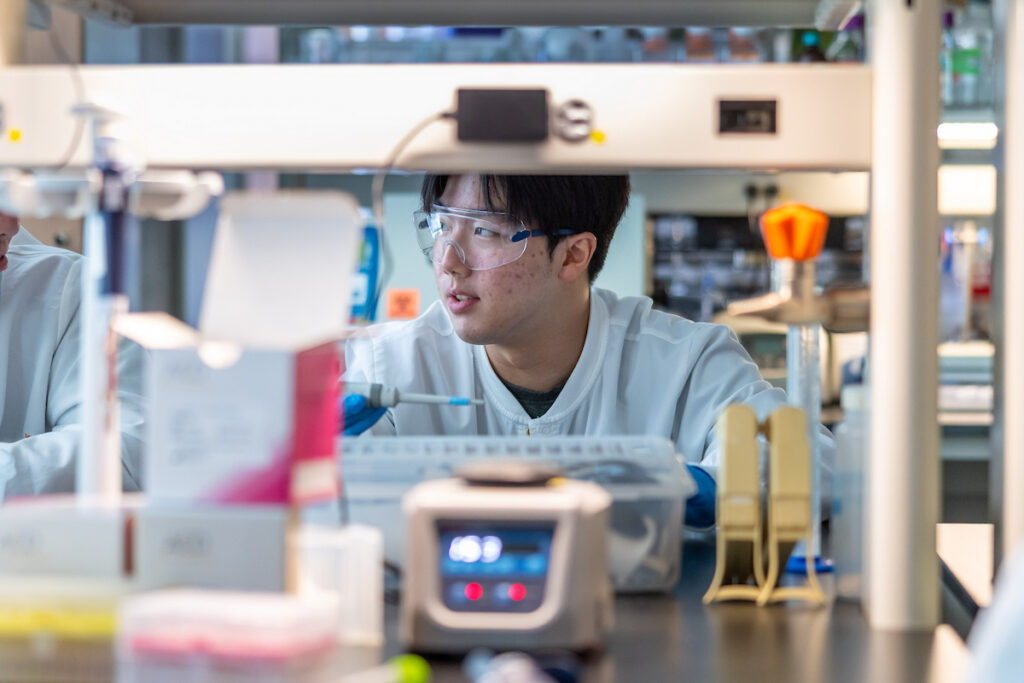
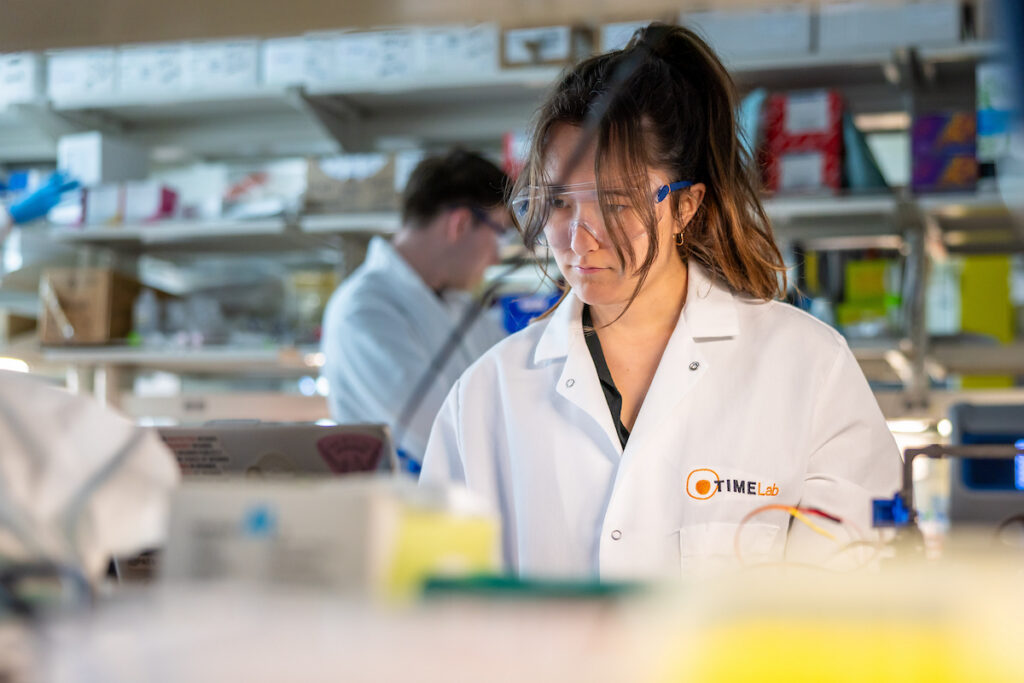
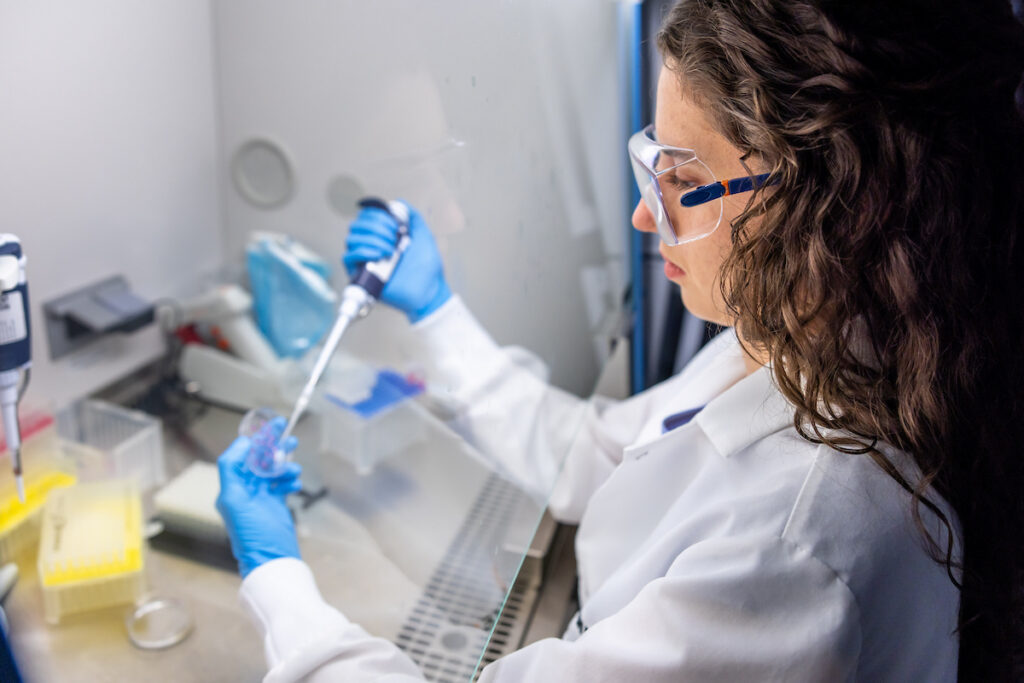
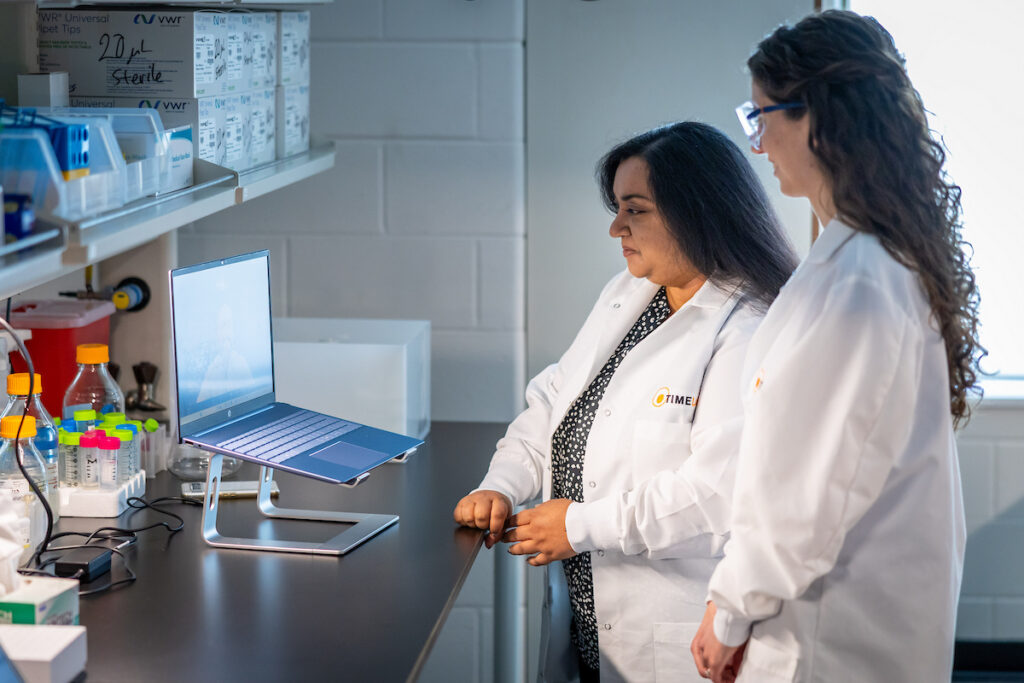
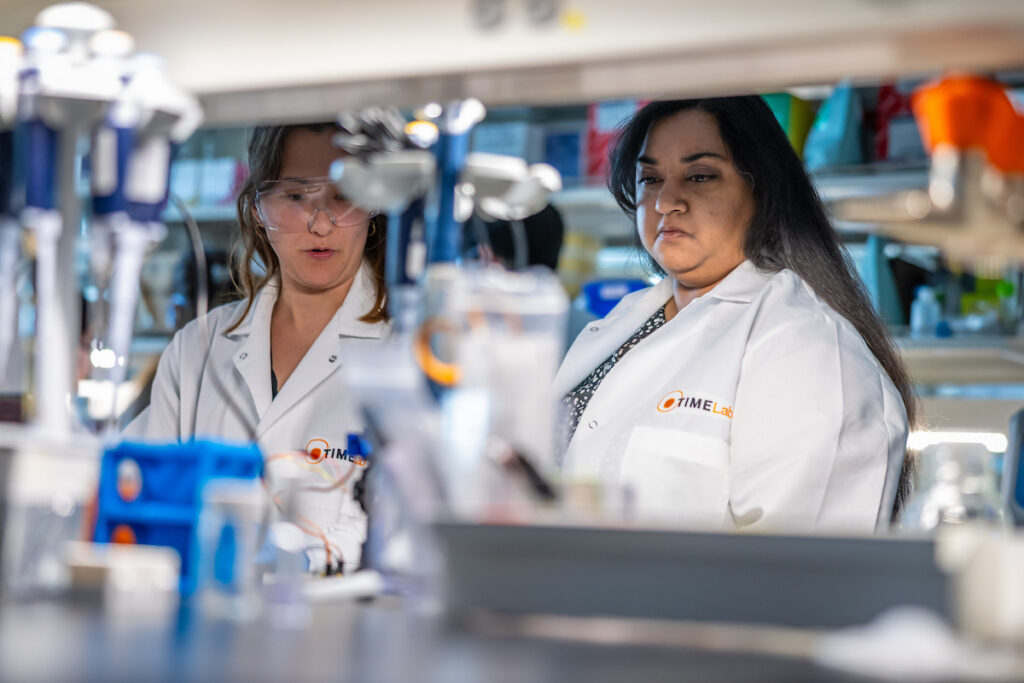
Datta leads the Tumor Immune Microenvironment & Mechanics Laboratory (also called the TIME Lab) at Notre Dame. Her research focuses on glioblastoma, which is the most common and deadly brain tumor in adults. She explores how the tumor microenvironment shapes cancer progression, immune response, and therapeutic resistance. Through innovative studies spanning immunomechanics, mechano-immunology, and space-based 3D cancer organoid research, Datta’s lab is charting new frontiers in biomedical engineering.
“I am an expert in the so-called tumor microenvironment. Basically, the neighborhood that cancer cells live in,” she said. “They build their own house out of our native tissues.”
Datta said she is interested in the immune system, its ability to fight cancer, and whether it is thwarted by abnormal physics and mechanics within tumors. Understanding those physical and biological interactions has become the cornerstone of her lab’s mission to reveal new ways to disrupt and treat cancer.
Since joining the University of Notre Dame’s faculty in 2021, Datta has rapidly emerged as a leader in cancer mechanobiology. Her work has been supported by competitive national awards, including the NIH Maximizing Investigators’ Research Award (R35), the Air Force Office of Scientific Research Young Investigator’s Program Award, and the NIH Career Transition Award (K22). In early October 2025, she was named the Rita Schaffer Young Investigator Awardee from the Biomedical Engineering Society, the preeminent award for early career investigators in her field. Her publications have appeared in high impact journals such as Nature Biomedical Engineering, Clinical Cancer Research, and The Proceedings of the National Academy of Sciences (PNAS).
An unconventional path
Datta didn’t start out with the intention of pursuing mechano-immunology as her field of study. She initially planned to go to medical school, but her introduction to undergraduate research as an engineering pre-med student changed everything.
“That’s when I became interested in open-ended questions and thinking about doing my own research. The bug sort of bit me,” she said.
During her postdoctoral fellowship at Harvard Medical School and Massachusetts General Hospital, Datta was inspired by her mentor, Rakesh K. Jain, PhD, who leveraged engineering fundamentals for biomedical reserach.
“I just found that so inspiring,” she said.
Datta’s story as an independent investigator began with a crucial seed of local support: The Indiana Clinical and Translational Sciences Institute (CTSI) Core Pilot Award.
“We used that funding to perform single cell sequencing of brain tumors, which is very helpful because basically you get a data dump that you can mine,” she said. “It’s a hypothesis-generating data source that we can use for many projects to come.”
Now, in the TIME Lab, Datta and her multidisciplinary team study how the intersection of mechanics and immunity—specifically how glioblastomas exert forces both within and outside the tumor to compress tumor blood vessels, promote invasion, compromise neurological function, and thwart immunotherapy and cancer-fighting immune cells. From here, her team hopes that their research can translate into better therapies for cancer patients. Eventually Datta believes this work in foundational discovery could be applicable to more than just glioblastoma.
Taking disease model developments to new heights
Datta’s role at Notre Dame exposed her to colleagues in the aerospace field, where she learned about performing research in space and how prior studies by biomedical researchers had shown that there are advantages to doing biological experiments unhindered by gravity.
“Sometimes you can study the properties of cells or tissues better in microgravity. It’s really good for trying to grow 3D models of tissues or tumors,” said Datta. “But also, interestingly, some biological processes are accelerated in space, such as development and aging. That’s been observed in both astronauts and biological experiments.”
Datta’s lab launched their first experiment to the International Space Station (ISS) in 2024 aboard SpaceX’s 30th commercial resupply services, overseen by NASA. The goal was to grow organoids, developed from glioblastoma and immune cells, in order to compare their growth and development to those grown on Earth at the same time. The success of this project led to a grant from the National Science Foundation (NSF) and Center for the Advancement of Science in Space’s joint Collaboration on Tissue Engineering and Mechanobiology to further study immunomechanics in cancer-myeloid organoids. The team was also awarded its first defense award in 2024 from the Department of the Air Force Research Laboratory/Air Force Office of Scientific Research’s Space Biosciences division. This project will study the unique situational stressors that impact the human immune system while testing countermeasures to overcome these mechanisms, leveraging microgravity advantages.
Recognition from university leadership
Melanie DeFord, assistant vice president for research at Notre Dame and deputy director of the Indiana CTSI, described Datta as “collegial, collaborative, and compassionate.”
DeFord also said Datta has been “instrumental in increasing Notre Dame’s presence in in-space research,” and is an active mentor for student engineering programs on campus, serving as a faculty advisor on the annual graduate student writing retreat in Ireland.
“By tenaciously pursuing her work on the cutting edge of mechano-immunology and brain cancer research, all the way into outer space, Meenal elevates the entire research enterprise here at Notre Dame,” said Jeffrey F. Rhoads, the John and Catherine Martin Family Vice President for Research and professor in the Department of Aerospace and Mechanical Engineering. “I admire her scientific creativity and the initiative she takes in developing the talent of our students.”
Next steps
Whether modeling tumors in microgravity or uncovering the physical rules of disease here on Earth, Datta continues to push the boundaries of scientific innovation.
Datta encourages colleagues to consider how multidisciplinary approaches can lead to innovation, even when something seems like an odd pairing.
“My favorite part of the job is getting to think about new ideas and pursue research that is of interest to me and try to attack problems in a way that people haven’t really thought about,” she said.
On October 18, Datta was featured in Notre Dame’s “What would you fight for?” campaign during halftime of that day’s football game. View the video segment on Notre Dame’s website, and learn more about her work in the accompanying article from the university.
