The Indiana CTSI’s Research Jam is designing the future of participant engagement
A unique program within the Indiana CTSI is reshaping how health research is designed, ensuring that the voices of patients and communities play a central role from the very beginning.
Research Jam brings together researchers and community members to co-create solutions to some of the state’s most pressing health challenges. By applying human-centered design principles, the program aims to make research more relevant, high-impact, and accessible to all.
Who Research Jam is
Founded in 2014, the program’s origins trace back to repeat collaborations between Sarah Wiehe, MD, MPH, Community Health Partnerships, Helen Sanematsu, MFA, associate professor at Herron School of Art and Design, and a design firm run by Sanematsu’s former students Dustin Lynch and Courtney Moore.
They launched what is now Research Jam as a part of a grant from the Agency for Healthcare Research and Quality, and the success it demonstrated across multiple studies led to increased demand from investigators across Indiana.
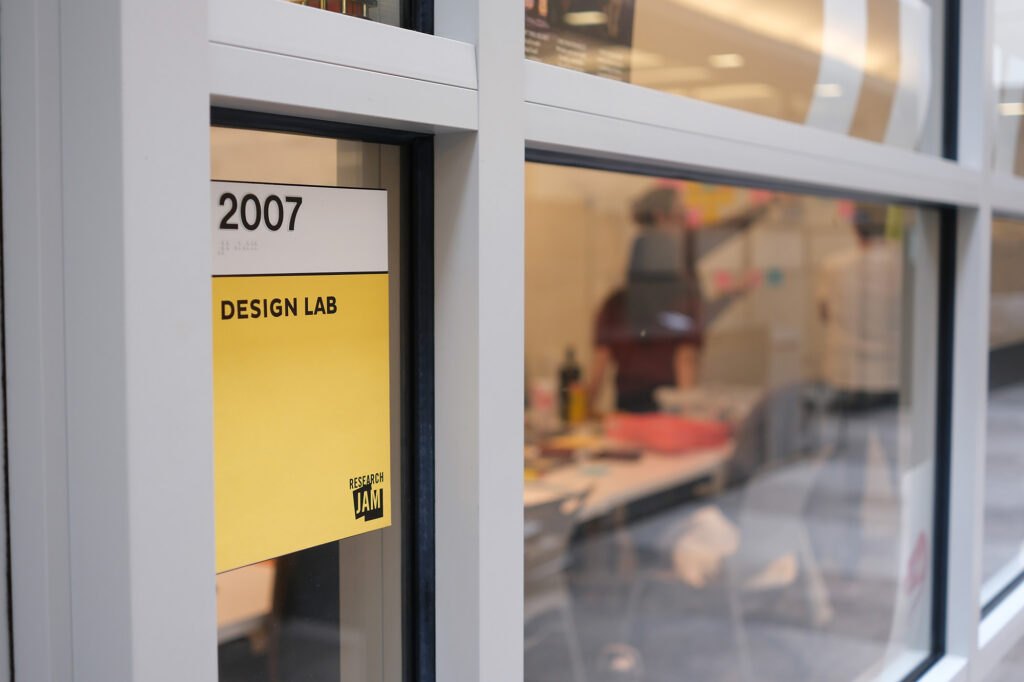
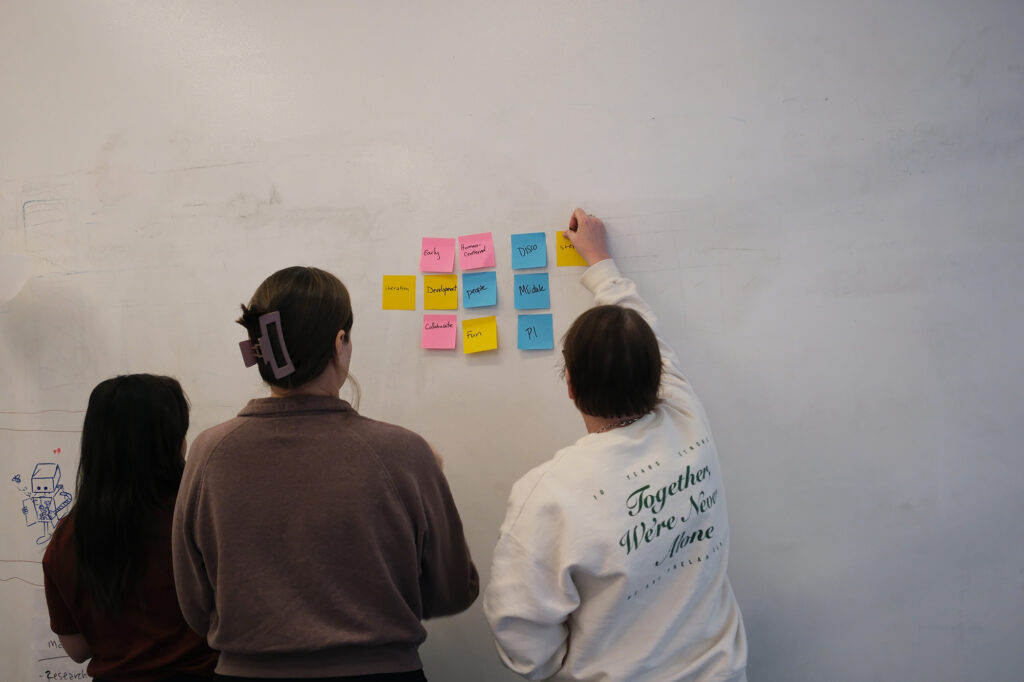
Today, the program continues to expand its reach as a part of Community Health Partnerships, working with a wide range of clients, such as clinicians, researchers, state agencies, and nonprofit organizations.
Currently, the five-person design team includes:
- Courtney Moore – A founding member of Research Jam, Moore serves as a human-centered design researcher and visual communications designer. She holds a Bachelor of Fine Arts from IU Herron School of Art and Design.
- Bridget Hawryluk – Hawryluk has been with the Research Jam team for eight years as a human-centered design researcher. She holds a Master of Fine Arts from IU Herron School of Art and Design and is pursuing her PhD in Health Communication from IU Indianapolis.
- Brandon Cockrum – Cockrum holds a Master of Fine Arts from IU Herron School of Art and Design with a background in human-centered research, communications, and design, with a focus on health services.
- Andrea Kiser – Kiser holds a Bachelor of Science in Comprehensive Design from Indiana University Bloomington with a background in human-centered design, user research, and experience design, with a focus on systems.
- Lisa Parks – Parks serves as the Project Management Specialist and has worked with Research Jam for the past 10 years. She manages the regulatory and recruitment needs of the group and holds a dual Bachelor of Communication Studies and Political Science from IUPUI, as well as her MPA in Non-Profit Management from the School of Public and Environmental Affairs at IUPUI.
Wiehe now serves as scientific director of Research Jam, and William Bennett, MD, as associate scientific director. Karen Hinshaw is associate director of operations, and Deidre Gray is project coordinator.
Founding team member Dustin Lynch now serves as the associate director of visual communications for the Indiana CTSI. Sanematsu remains at Herron training new generations of human-centered designers.
What Research Jam does
At the heart of Research Jam’s mission is a commitment to partnering with researchers and the people their work is intended to benefit. The team emphasizes that research participants are the true experts of their own lived experiences.
“The general public often brings experiences, priorities, and perspectives that health care providers can miss or don’t have time to talk about,” said Cockrum. “Especially around what actually happens in day-to-day life.”
Researchers are encouraged to engage with the team during the initial stages of developing their proposals and in doing so, they receive guidance on incorporating human-centered design methods, along with support in budgetign, justification, and proposal development.
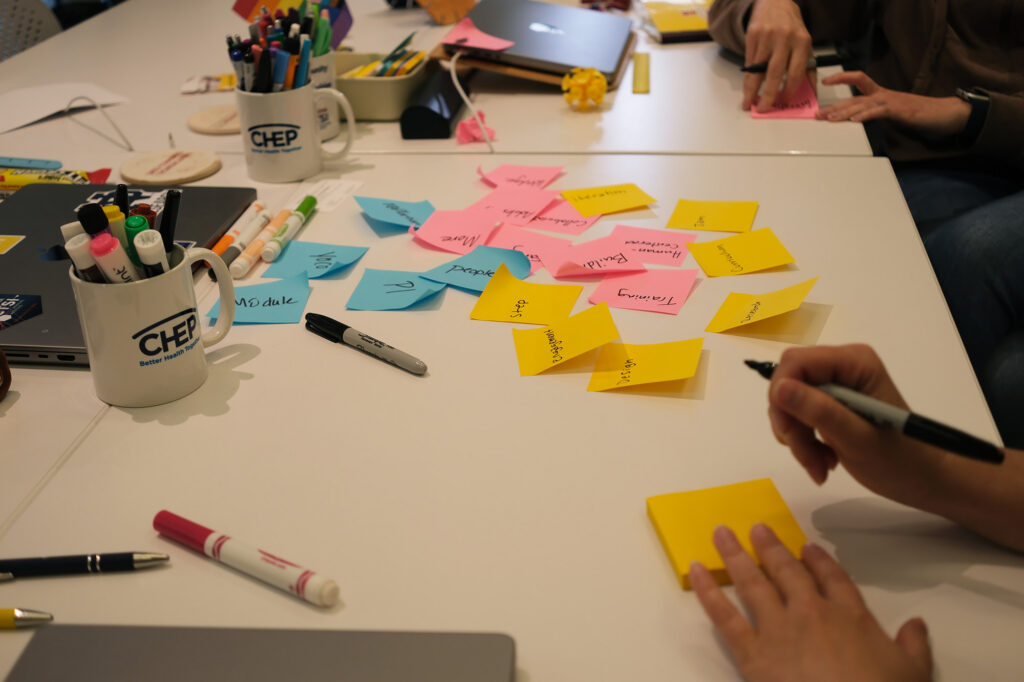
Central to the program are “Jams,” facilitated engagement sessions where participants—including patients, caregivers, health care providers, and community members—share insights and experiences related to specific health topics. These sessions go beyond standard focus groups by using generative techniques that uncover deeper, often unarticulated knowledge. This approach ensures that research questions and proposed solutions are not only scientifically sound but also meaningful to the communities they aim to serve.
“My favorite part of working on this team is working with and learning from the community the research is hoping to benefit,” said Hawryluk. “I love creating an environment where they feel comfortable sharing their stories. Of course, the Research Jam way to do that is with crafty and fun methods like board games and collage!”
By integrating many perspectives, Research Jam fosters creative, “out-of-the-box” thinking that uncovers new approaches to persistent health challenges. The team then translates these insights into practical outcomes, including recruitment materials, intervention components, decision aids, and dissemination strategies.
Research Jam also offers visual communication design services through its Design Corps team, which produces materials such as grant figures, brochures, and posters. With decades of combined experience, the team supports projects ranging from simple communications to complex design solutions.
Prestigious journals publish articles with Research Jam co-authors
Since 2018, Research Jam has been involved in 35 different publications in prestigious journals. Three articles recently published feature Cockrum, Hawryluk, and Moore as key co-authors and highlight how vital the data Research Jam collects can be in research studies.
Published in 2024 in JMIR Human Factors, this paper reports on a study conducted by Indiana CTSI leaders Matthew Aalsma, PhD, and Sarah Wiehe, MD, MPH, alongside Research Jam’s Cockrum.
The study team engaged Research Jam to conduct two focus groups and a survey of Overdose Fatality Review (OFR) experts to characterize information needs and create a real-time data dashboard that would incorporate visualizations of “touchpoints,” or events preceding overdose fatalities. The dashboard can help OFR teams understand local overdose patterns as well as interpret that data to facilitate interventions and policy change.
For Cockrum, working on the project made it clear that Indiana does not have sufficient treatment capacity to meet the needs of people with opioid and other substance use disorders. Delays in connecting people to treatment when they need it mean losing opportunities for intervention, he said.
He hopes the dashboard can help close the gap by making immediate connections to available treatment when people are ready for it.
Also led by Wiehe and Aalsma, this paper was published in Research Involvement and Engagement in November 2024.
For this study, Research Jam recruited a panel of 48 consultants, including people living with HIV, clinicians, and individuals providing services to people with HIV living in Marion County, and engaging them across six different sessions. The panelists helped to guide and prioritize analyses, aid in identification of missing data, interpret results, provide feedback on future interventions, and even co-present at a local conference.
By involving individuals with lived experience, the team was able to make their research more relevant, useful, and impactful.
“A big lesson that has been reinforced time and time again is just how valuable the participants perspective is to the research process,” said Hawryluk. “Creating something for a group of people really should be creating something with those people.”
In addition to Hawryluk, team members Parks, Lynch, and Indiana CTSI data analyst Unai Miguel Andres are also listed as authors.
This study, led by researcher Lauren Nephew, MD, aimed to identify patients’ self-reported barriers and facilitators to curative therapies for Hepatocellular carcinoma (HCC) which, if addressed, could improve access to care. It was published in Hepatology Communications in February 2025, and co-authored by Moore and Parks.
Research Jam held two sessions with two groups of community members. Participants in both groups had been referred for liver transplant or resection. Additionally, Research Jam conducted one on one interviews with participants from these sessions that had undergone the procedures. Both participant groups faced significant barriers to care, some shared and others unique. Listening to their experiences helped the team better understand the many challenges they faced and identify opportunities for interventions, such as improvements in education timing and delivery, better communication with providers, and peer support groups. The program developed from this work is currently being piloted.
Human-centered design lights the way forward
With its focus on empathy, collaboration, and innovation, Research Jam is advancing a vision of research that is not only informed by the people it serves, but also designed alongside them. It offers a potential model for participatory research nationwide. The team prides itself on being seen as a trusted partner for community members to have their voices heard.
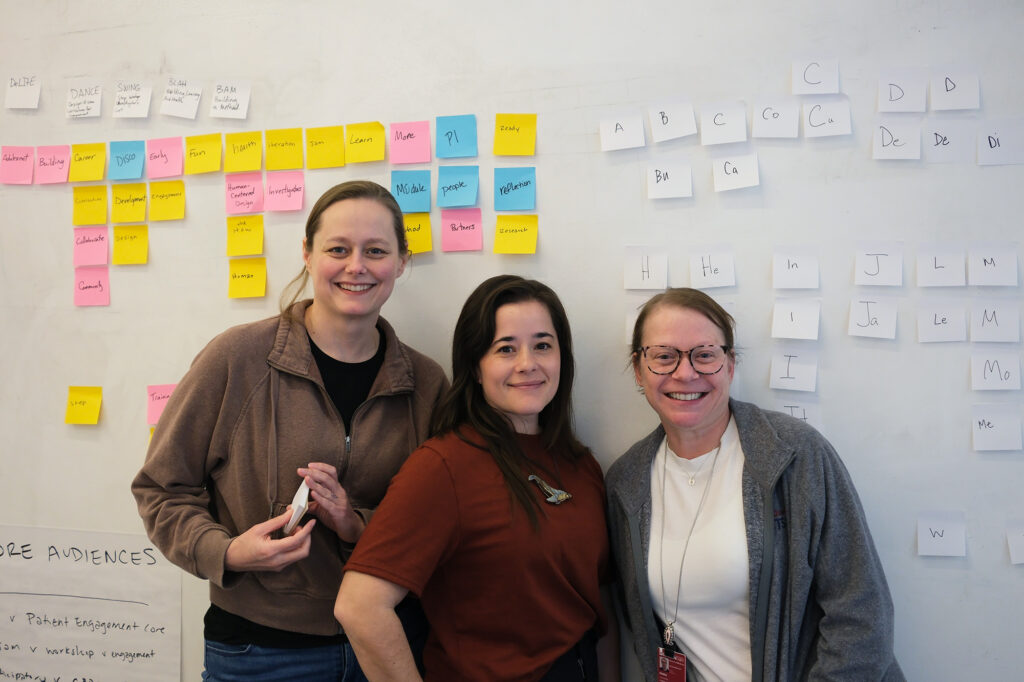
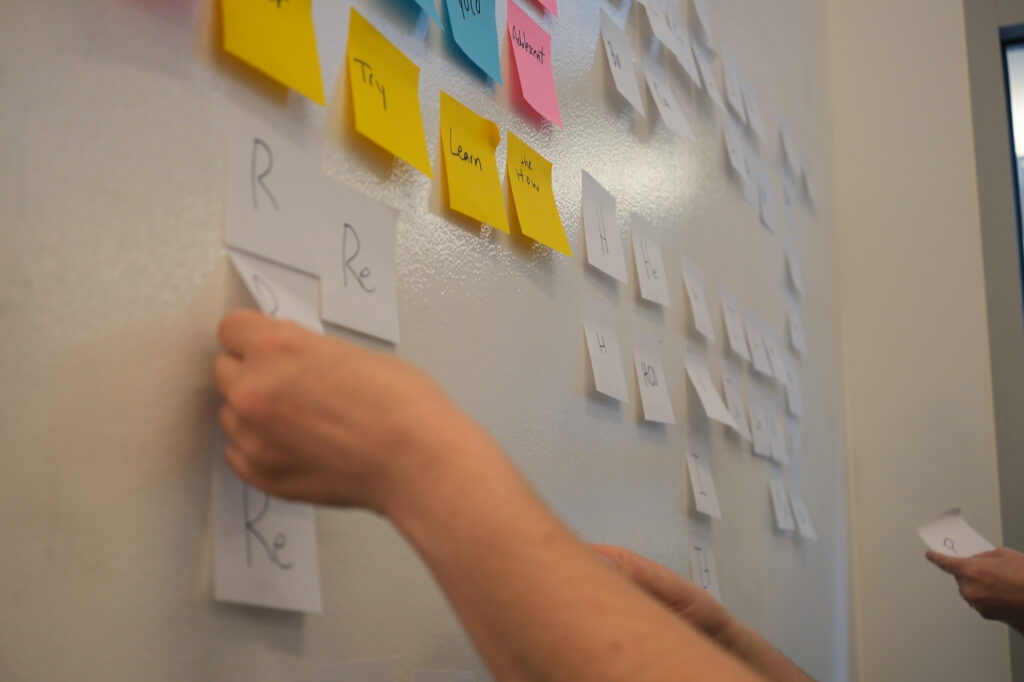
Over the years, the team has found a recurring theme when it comes to working with community members: people want to be involved in the conversation.
“After almost every Jam, participants want to know when they can work with us again,” said Parks. “That speaks volumes for the trust and compassion our team has in the work we do.”
Added Moore, “A lot of people are eager to share, even about very personal and serious topics. The most common motivation we hear is that they want to make things better for others in the future.”
Researchers that are interested in working with Research Jam can visit their website to learn more. If you are interested in being a study participant, you can also learn more on their website.
