“We could not have done this without Karen Hinshaw”: How the Indiana CTSI is helping shape rural health through the GROW initiative
In 2025, Congress authorized the Rural Health Transformation (RHT) program, a five-year, $50 billion initiative to improve rural health. Starting in 2026, states participating in the RHT received funding to strengthen healthcare delivery, improve workforce development, and increase access to care in rural communities.
Indiana received $207 million for its first year in the program. The state created the Indiana Rural Health Transformation Program (RHTP) and launched an initiative called Growing Rural Opportunities for Well-being (GROW) to implement the funds.
Through GROW, Indiana’s eligible rural counties have been organized into eight regions. Ahead of a July 1 deadline, community organizations, health systems, public health leaders, providers and residents worked together to develop proposals focused on priorities such as preventative care, chronic disease management, workforce development, technology, and access to specialty care.
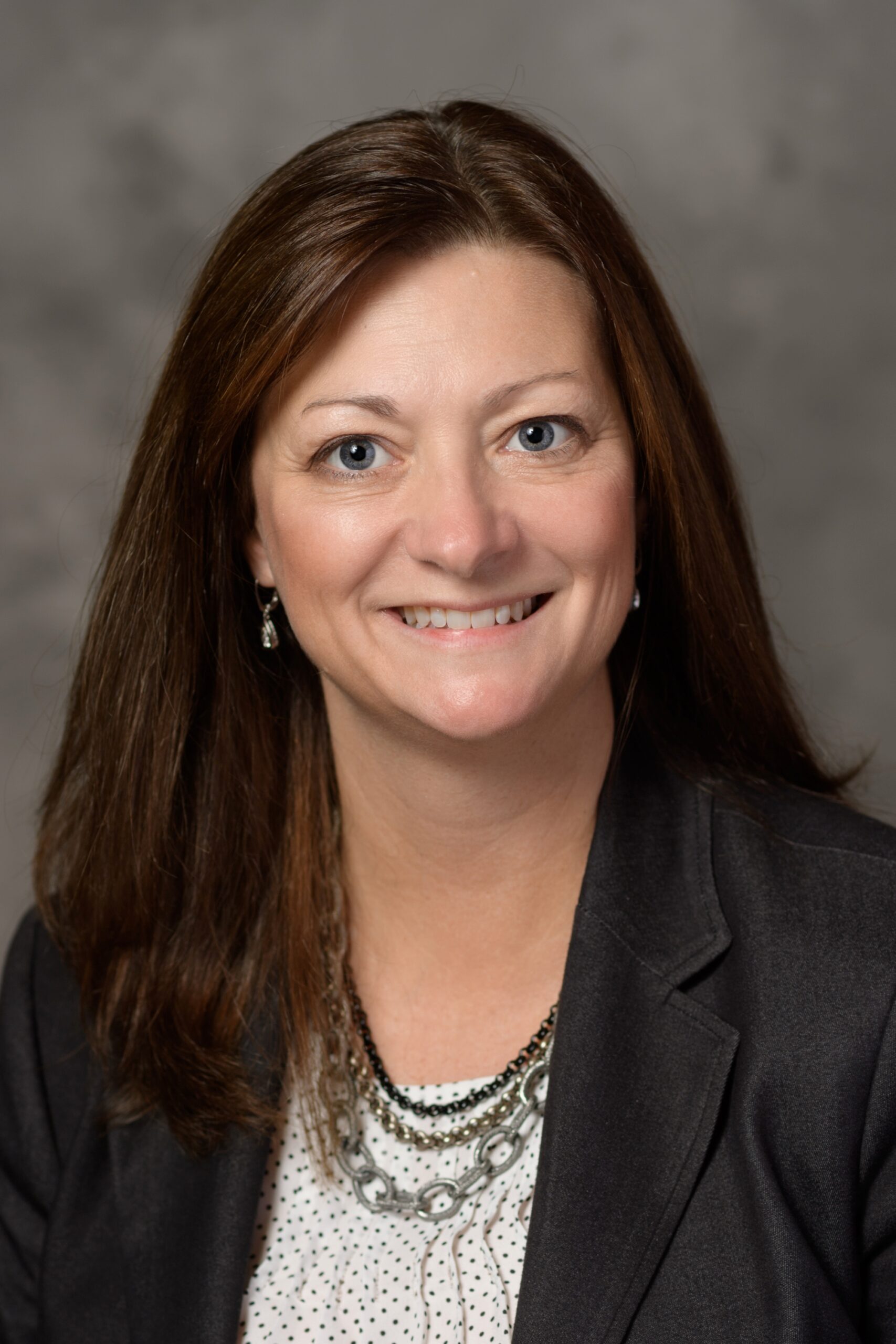
Karen Hinshaw, MS, is associate director of operations for the Indiana CTSI’s Community Health Partnerships. Her work helping communities connect, collaborate, and build consensus has made her a leader and resource at the center of GROW.
Participants had to build trust, establish priorities, and develop proposals in a matter of months, Hinshaw said. But this is the sort of challenge that motivates her.
“I immediately go to relationships, connections, and networks,” she said. “That’s what drives this work.”
Solving problems, building consensus
The Indiana CTSI was uniquely positioned to assist with GROW as the initiative came together in the first half of 2026.
Through years of partnership with the Indiana Department of Health (IDOH), including its leadership of statewide health coalitions through Connections IN Health, the Indiana CTSI had developed expertise in community engagement, coalition-building, needs assessment, and evidence-based practice. Hinshaw also points to the influence of Indiana CTSI Co-Director Sarah Wiehe, MD, MPH, whose leadership and commitment to community-engaged research helped position the organization as a trusted partner.
Recognizing these strengths, IDOH leaders invited the institute to provide technical assistance and subject matter expertise to support the GROW planning process. Wiehe and Omolola Adeoye-Olatunde, PharmD, director of Community Health Partnerships, co-led the contract with IDOH to make that possible.
Then, Hinshaw and a multidisciplinary team from the Indiana CTSI joined regional coalitions and began helping communities navigate a complex process that included identifying health priorities, building consensus, developing logic models, and creating implementation plans. They helped facilitate constructive conversations among groups that had different perspectives, competing priorities, or little history of collaboration.
One of the Indiana CTSI team’s biggest goals was ensuring that decisions reflected broad community input rather than the influence of a few powerful stakeholders.
“The question was: how do we help them build consensus among the group so that it’s not just the loudest voices in the room who make the decisions?” Hinshaw said.
In addition to Hinshaw and Wiehe, the Indiana CTSI team included Priscilla Barnes, PhD, MPH, who supported needs assessments and consensus-building activities; Edmond Ramly, PhD, program director for Implementation Science and Reid Parks, PhD, an implementation scientist with that program, who helped develop and educate participants on logic models; and Sarah Glock, program management specialist for the Trailblazer and Trailblazer Planning Awards, who coordinated proposal review efforts. Bridget Hawryluk, human-centered researcher with Research Jam, facilitated consensus-building activities. Adeoye-Olatunde and Dennis Savaiano, PhD, associate director of Community Health Partnerships, helped provide strategic oversight and guidance. Additional reviewers and data experts from Indiana CTSI partner institutions contributed to proposal evaluation and data analysis efforts.
Teamwork makes the dream work
The initiative’s success reflects the work of many people across the state. But Hinshaw’s leadership has helped communities imagine solutions that previously seemed out of reach.
“It’s been really neat to see people dream about implementing something that would make an impact and they just never had the opportunity, didn’t have the funding, didn’t have the resources, didn’t have the partners,” she said.
The collaboration also highlights a distinctive strength of the Indiana CTSI among its peers. According to Hinshaw, the institute may be the only Clinical and Translational Science Award (CTSA) hub in the country playing such an active role in its state’s RHT effort. Again, this is likely a result of the Indiana CTSI’s longstanding partnership with the IDOH and the reputation the organization has built for community engagement and evidence-based practice, she said.
GROW coalitions, having submitted their formal application to the state on July 1, now await funding decisions. But this is just the beginning, said Hinshaw.
The plans developed through GROW have the potential to lead to new health programs, stronger partnerships, and improvements in rural communities across Indiana that will endure after the RHT concludes in 2030.
“We could not have done this without Karen,” said Wiehe. “Her engagement with the GROW regional coalitions was deeply valued by the Indiana CTSI team, our IDOH partners and, importantly, the coalitions themselves. She has given so much to this effort, and our state will benefit as a result.”
